
Discover Astonishing Benefits of Natural Stone Paver Options
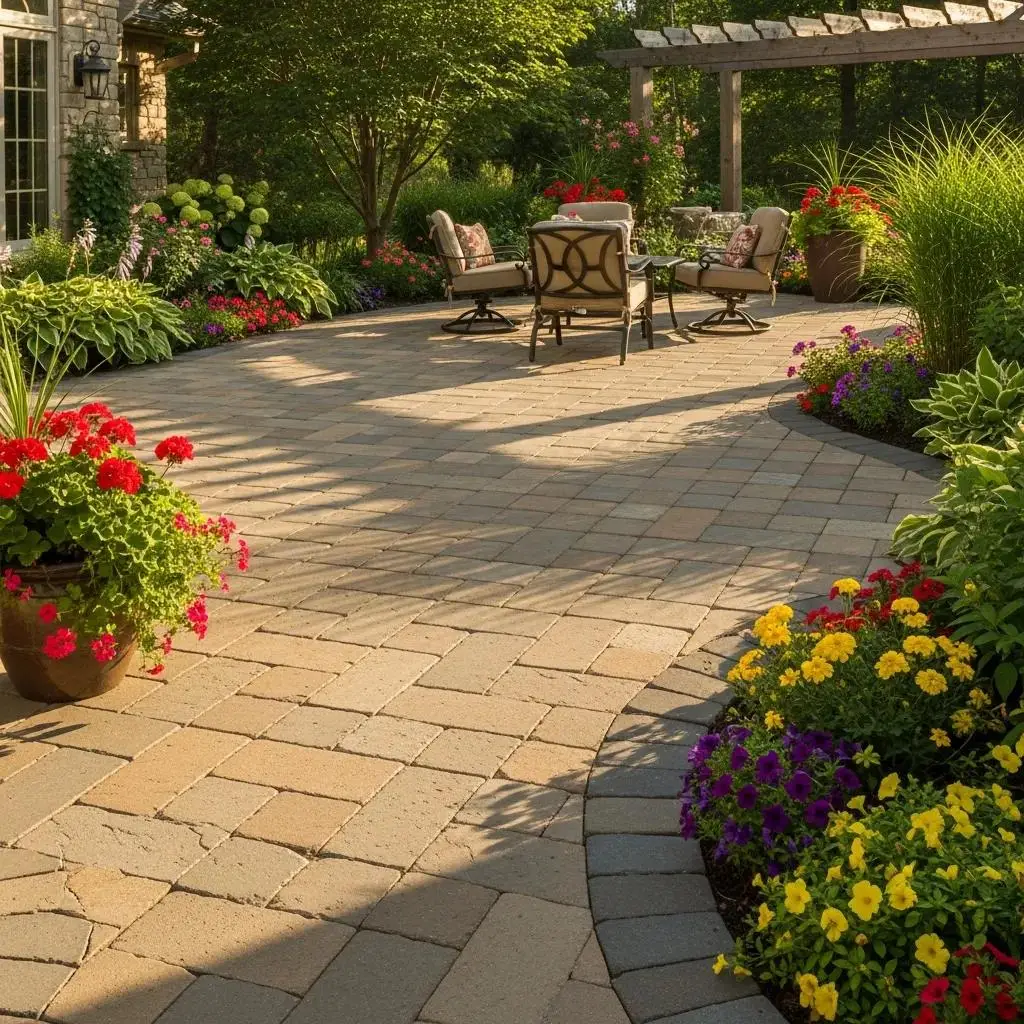
Durable, Eco-Friendly Natural Stone Paver Options in Jacksonville
Natural stone pavers are quarried rock units used as long-lasting, attractive surfacing for driveways, patios, walkways, and pool decks. They pair proven performance with a distinctive look that suits Jacksonville and Central Florida homes. This piece explains why stone’s durability, design flexibility, and eco-friendly installation options make it a top choice for local landscapes. If you live with frequent rain, high humidity, and busy outdoor living spaces, you need surfaces that resist cracking, cut maintenance time, and lift property value — installed correctly, natural stone does all three. Below we walk through the main benefits, design and value impacts, the best stones for our climate, permeable systems for stormwater control, professional installation steps that protect your investment, and clear answers to common homeowner questions. We also show how ARC Excavation Inc. supports durable, attractive installations across Jacksonville and Central Florida.
What Are the Key Advantages of Natural Stone Pavers in Landscaping?
Natural stone pavers combine durability, visual depth, low upkeep, sustainability, and long-term value in ways manufactured alternatives often can’t match. Those strengths come from stone’s natural hardness, varied textures and finishes, and the ability to be lifted and reused — all practical features that reduce cracking and extend service life. For homeowners, that translates to lower lifecycle costs and better curb appeal, especially in climates with heavy rain and heat. The short list below highlights the main advantage pillars so you can quickly see why many choose stone for hardscaping.
Natural stone delivers five primary landscaping advantages:
- Durability and Longevity: Weather-tough stone stands up to traffic and wear.
- Aesthetic Versatility: Natural color and texture variations create one-of-a-kind designs.
- Low Maintenance: Individual units are replaceable and generally need only cleaning and occasional sealing.
- Sustainability: Permeable layouts and reusable stone reduce runoff and waste.
- Property Value: Quality stone hardscapes boost curb appeal and buyer perception.
To make those benefits actionable, the table below maps each category to the key attribute and a practical outcome you can expect.
| Benefit Category | Key Attribute | Practical Outcome |
|---|---|---|
| Durability | Material hardness and weather resistance | Longer service life, fewer replacements |
| Maintenance | Cleaning, sealing, spot repair needs | Lower annual upkeep costs, simple repairs |
| Sustainability | Permeability and reusability | Reduced stormwater runoff, recyclable materials |
| Aesthetics | Color, texture, finish variability | Unique designs, stronger curb appeal |
| Value (ROI) | Longevity + visual appeal | Higher resale attractiveness and staging impact |
That side-by-side view shows how durability and sustainability cut long-term costs while improving how your property looks. Correct installation is the lynchpin: a well-prepared base and a smart drainage plan preserve performance and appearance. ARC Excavation Inc. installs natural stone pavers to these standards and offers free quotes so homeowners can protect long-term ROI with local expertise in grading and drainage.
How Do Natural Stone Pavers Offer Unmatched Durability and Longevity?

Stone pavers last because of their mineral makeup and density: high compressive strength and natural resistance to weathering keep them stable under traffic and sun. Dense stones like granite handle heavy loads and abrasion, making them great for driveways; properly supported bluestone or flagstone makes durable, long-lived patios and walkways. Longevity depends on correct installation too — compacted sub-bases, proper drainage, and adequate thickness reduce settling and edge failures. Understanding both material properties and installation requirements helps you pick stones and methods that maximize life and minimize repair needs.
Durability and longevity naturally lead into maintenance: routine care and straightforward repairs help preserve both structure and appearance.
Why Are Natural Stone Pavers Considered Low Maintenance and Easy to Repair?
Natural stone is straightforward to care for: regular sweeping, occasional pressure rinsing, and resealing when appropriate keep colors fresh and stains away. Repairs are often localized — individual pavers can be lifted and replaced without tearing out a whole slab, which lowers repair time and cost compared to poured surfaces. In humid Jacksonville conditions, keeping joints clean and choosing joint materials that resist organic growth will prevent mold and staining. Permeable joint systems also help by reducing standing water. A short, consistent maintenance routine keeps stone looking great for years.
Simple maintenance complements stone’s inherent durability and feeds directly into aesthetic and value considerations.
How Do Natural Stone Pavers Enhance the Beauty and Value of Your Outdoor Spaces?
Natural stone brings texture, subtle color shifts, and finishes that manufactured pavers rarely match. That visual richness supports many landscape styles — from Mediterranean patios to clean, modern terraces — and lets you tailor layouts to pools, outdoor kitchens, and planting beds. Stone creates lasting focal points that lift curb appeal and buyer perception. Below are common patterns and how they affect the look and resale appeal of your space.
Popular design options and pattern effects:
- Herringbone and basketweave patterns: Deliver a formal, high-end appearance.
- Random ashlar and flagstone layouts: Create organic, natural patios that blend with planting areas.
- Border and banding accents: Frame pathways and entry points for a finished look.
Those design choices explain why homeowners use stone to boost both beauty and marketability. Next, the differences between stone species help you match texture and color to your goals.
What Unique Textures and Colors Do Different Natural Stone Types Provide?
Each stone type brings its own look and feel: granite has a wide color range and polishes well; bluestone offers cool blue-gray tones with a cleft face that’s comfortable underfoot; travertine shows warm, variegated hues and natural voids that help with slip resistance on pool decks. Limestone gives a refined, even surface for formal terraces, while sandstone provides warm, earthy tones and a slightly textured surface for casual patios. Choose based on visual goals, slip-resistance needs, and how the material will weather in sun and rain — those factors guide both design and maintenance choices.
Sandstone and Travertine: Properties for Civil Engineering Applications
Sandstone and travertine are sedimentary rocks with different origins: sandstone is clastic, while travertine forms from hot-spring precipitation. Their suitability for engineering depends on compressive load-bearing capacity. While three-point bending tests offer material data, a uniaxial compression test better determines modulus of elasticity and stress–strain behavior for structural use. Microscopic analysis and EDAX spectrometry were used to detail crystalline structure and elemental composition in this study.
How Does Natural Stone Increase Property Value and Curb Appeal?
Natural stone signals quality and permanence to buyers, which often boosts perceived value and helps homes sell faster when hardscapes are well executed. Durable, attractive materials that need less replacement stand out in listing photos and open houses. Exact ROI varies by market and project size, but the combination of lower lifecycle costs, visual appeal, and improved outdoor livability usually produces stronger long-term returns than cheaper, short-lived options. That makes strategic hardscape investments worthwhile when you balance upfront cost with lasting benefit.
Which Types of Natural Stone Pavers Are Best for Jacksonville and Central Florida Landscaping?
Picking the right stone depends on local climate resilience, intended use (driveway, patio, pool deck), slip resistance, and how much maintenance you’re willing to do. Jacksonville’s humidity, UV exposure, and heavy seasonal rains favor stones that resist moisture staining and keep texture. Local contractors typically weigh stone density, finish, and thickness when recommending materials for driveways versus pool areas. The table below compares common stones on durability, slip resistance, and best uses to guide your selection.
| Stone Type | Durability | Slip Resistance | Best Uses |
|---|---|---|---|
| Granite | Very high | Moderate when textured | Driveways, high-traffic areas |
| Bluestone | High | Good (cleft surface) | Patios, walkways |
| Travertine | Moderate-high | Excellent (natural voids) | Pool decks, shaded patios |
| Limestone | Moderate | Moderate | Patios, formal terraces |
| Sandstone | Variable | Good | Patios, low-load areas |
What Are the Characteristics and Uses of Granite and Bluestone Pavers?
Granite is prized for compressive strength and abrasion resistance, so it’s ideal for driveways and heavy-use zones when sized and supported correctly. Bluestone’s cleft face and cool tones lend a flat, slip-resistant surface perfect for patios and walkways. Both stones weather well under sun, but proper jointing and base prep tailored to Jacksonville’s rainfall are essential to avoid settling and joint washout. Local installers know these details and help ensure lasting performance.
How Do Travertine, Limestone, and Sandstone Pavers Suit Patios, Driveways, and Pool Decks?
Travertine stays cool underfoot and its natural voids boost slip resistance, which makes it a frequent pool-deck pick — it still benefits from sealing in high-stain scenarios. Limestone gives an elegant, uniform look for terraces but usually fits low-to-medium traffic rather than heavy-driveway use. Sandstone offers warm tones and a comfortable texture for casual patios, though strength varies by source and may need thicker pieces for durability. Matching stone to expected loads and exposure preserves longevity and lowers maintenance needs.
Why Is Eco-Friendly Landscaping with Natural Stone Pavers a Smart Choice?

Natural stone supports eco-friendly landscaping through permeable layouts, reusable materials, and generally lower chemical processing than some manufactured options. Permeable stone systems cut surface runoff, boost groundwater recharge, and can fit rainwater-conscious designs that meet municipal goals. Stone’s long life also reduces replacement frequency and embodied energy over time. The list below summarizes key sustainability advantages and practical considerations for green installations.
Sustainability benefits of natural stone pavers include:
- Reduced runoff and improved infiltration with permeable joint systems.
- Lower embodied processing compared with many manufactured materials.
- High reuse potential — units can be lifted and repurposed during remodels.
How Do Permeable Natural Stone Pavers Support Rainwater Management?
Permeable stone systems work by letting water move through joints, open-graded bedding, and a properly sized sub-base so rainfall soaks into the ground instead of running off. Designing for permeability means choosing jointing methods (open stone joints, gravel, or permeable resin) and base materials that balance drainage with structural support. In heavy-rain areas like Jacksonville, adequate sub-base depth prevents saturation and settlement. The environmental payoffs include less pressure on storm systems, improved groundwater recharge, and reduced pollutant transport. Routine maintenance — like vacuuming joints — keeps infiltration working well over time.
What Makes Natural Stone Pavers a Sustainable and Recyclable Material?
Stone’s sustainability comes from being inert, sometimes locally available, and reusable with minimal processing. When pavers are lifted during renovations, many can be relaid elsewhere, limiting landfill waste and demand for new materials. Lower chemical processing and the option to install permeable systems further shrink long-term environmental impact. Weighing lifecycle outcomes along with performance and aesthetics helps homeowners choose designs that minimize ecological footprint without sacrificing function.
How Does ARC Excavation Ensure Expert Natural Stone Paver Installation in Jacksonville?
ARC Excavation Inc. provides full installation services — excavation, drainage, grading, site work, and paver installation — for driveways, walkways, patios, and pool decks across Jacksonville and Central Florida. Our licensed and insured crews focus on quality workmanship, proper grading and drainage integration, and clear proposals with free quotes to protect long-term performance and appearance. With local experience, we size sub-bases correctly, pick jointing materials for desired permeability, and sequence work to minimize disruption while ensuring compaction and alignment. The table below outlines common installation phases, why each matters, and the client benefit so you see how professional oversight delivers durable results.
| Phase | Task | Why it Matters |
|---|---|---|
| Site Prep | Clearing, grading, erosion control | Ensures stable foundation and correct slope |
| Base Construction | Open-graded aggregate placement and compaction | Prevents settling and maintains permeability |
| Paver Laying | Pattern layout, cutting, and jointing | Achieves intended aesthetics and structural interlock |
| Drainage Integration | Drain installs, slope adjustments | Protects against standing water and washout |
| Final Inspection | Compaction verification and cleanup | Confirms performance and client satisfaction |
What Is the Step-by-Step Installation Process for Natural Stone Pavers?
Installation starts with a site evaluation and grading plan to set slopes and drainage paths that avoid water pooling. Crews then build a compacted, open-graded base sized for the load and permeability goals, add a bedding layer, place pavers precisely, and use appropriate jointing materials. Mechanical compaction locks the pavers in place and stabilizes the surface; sealing or finishing can protect certain stone types and enrich color. Skipping base work or misplanning drainage is a common cause of failure, so professional execution is essential for long-term success.
Why Choose ARC Excavation for Durable and Stylish Stone Paver Projects?
ARC Excavation blends excavation and drainage expertise with hardscaping services, so you get a single contractor handling grading, site work, utilities, and paver installation — reducing coordination risk. Our licensed, insured team focuses on quality and customer satisfaction, and we offer free quotes so you can evaluate scope and outcomes before committing. A contractor with local Jacksonville experience ensures stone selection and installation reflect regional climate demands. For homeowners wanting a turnkey path to durable, attractive stone hardscapes, ARC Excavation is a practical local choice.
What Are Common Questions About Natural Stone Pavers in Landscaping?
Homeowners often ask how stone compares to concrete on durability, what projects cost in Jacksonville, how much maintenance is required, and whether permeable installations will work on their site. Below are concise, practical answers to the most common questions to help you decide before booking a site visit and estimate.
Are Natural Stone Pavers More Durable Than Concrete Pavers?
In many cases, yes. Natural stone typically offers better long-term durability than standard concrete pavers because its mineral structure resists abrasion and doesn’t show the same cracking patterns as poured concrete. Concrete can be less expensive up front and perform well, but it’s often more prone to hairline cracks and surface wear over time, especially under heavy loads or poor drainage. Both materials need proper base work and drainage — installation quality is the biggest determinant of long-term performance. For driveways and areas where longevity and resale matter most, natural stone is frequently the preferred choice.
That durability comparison leads directly to cost factors, which depend on stone type, site complexity, and drainage needs.
How Much Do Natural Stone Pavers Cost in Jacksonville?
Cost depends on material choice, paver thickness, pattern complexity, site prep, and drainage or grading work. Variables like high-density stones for driveways, permeable base systems for stormwater, and custom cutting for irregular patterns all raise labor and material costs. Because every property differs, we recommend an on-site assessment for accurate pricing. ARC Excavation Inc. offers free, no-obligation quotes and local expertise to translate your aesthetic goals and drainage needs into a realistic project estimate.
For personalized pricing and planning, contact ARC Excavation Inc. directly via their contact page or our Google Business Profile to request a free on-site quote and consultation.
Frequently Asked Questions
What are the best maintenance practices for natural stone pavers?
Keep pavers tidy by sweeping regularly and pressure washing occasionally to prevent built-up dirt and stains. Reseal stones that require it to protect against moisture and to keep color vibrant. Check joints for weeds or organic growth and clear them promptly. Use pH-neutral cleaners so you don’t harm the stone. A simple routine like this prolongs beauty and function.
Can natural stone pavers be used in areas with heavy rainfall?
Yes. When installed with permeable joints and a properly designed base, natural stone handles heavy rain well by allowing water to infiltrate instead of pool. Proper drainage planning is essential to prevent erosion and settling. Stones such as travertine and bluestone perform particularly well in wet, humid climates because of their durability and slip-resistant surfaces.
How do I choose the right type of natural stone for my project?
Choose based on use (driveway, patio, pool deck), local climate, slip resistance, and how much maintenance you want to do. Granite is a strong choice for high-traffic areas; travertine works well for pool decks; bluestone and sandstone fit patios and walkways depending on desired texture and color. Talk with a local expert to match stone to your site and goals.
Are there eco-friendly options for installing natural stone pavers?
Absolutely. Permeable joint systems reduce runoff and support groundwater recharge. Choosing locally sourced stone cuts transport emissions, and reusing existing pavers during remodels reduces waste. Adding native plants and rain-friendly landscaping further improves environmental performance and creates a cohesive outdoor space.
What is the lifespan of natural stone pavers compared to concrete?
Natural stone typically lasts longer than concrete pavers when installed and maintained properly — often several decades. Concrete can crack and wear, while stone resists weathering and abrasion better. Still, proper base preparation and drainage are crucial for either material to reach its expected lifespan.
How do I ensure proper drainage when installing natural stone pavers?
Start with a site evaluation to set the right slope and drainage paths. Use an open-graded base that lets water move through and away from the surface, and choose permeable jointing where appropriate. Keep drainage elements clear through regular maintenance to prevent water buildup and protect the paving system.
Conclusion
Natural stone pavers give Jacksonville homeowners a durable, low-maintenance, and visually versatile way to improve outdoor spaces. Their environmental advantages and ability to raise property value make them a smart long-term investment. Choose the right stone for your use, and have it installed by experienced professionals to enjoy lasting beauty and performance. Contact ARC Excavation Inc. today to explore options and request a free quote for your natural stone paver project.