
7 Signs You Need Drainage Solutions for Your Property

7 Telltale Signs You Need Professional Drainage Solutions
Good drainage keeps your home, landscape, and foundation healthy. Left unchecked, poor drainage can cause everything from puddles in the yard to serious foundation problems. This guide walks you through the common signs of drainage trouble, how those signs affect your property, and when it’s time to call a professional. Spotting issues early helps you protect your home and avoid expensive repairs.
What Are the Most Common Signs of Poor Yard Drainage?
Spotting drainage problems early makes them easier and cheaper to fix. Look for persistent water pooling, chronically soggy patches of lawn, and any cracks near the foundation. These symptoms often point to an underlying drainage problem that, if ignored, will only get worse.
How Does Water Pooling in Your Yard Indicate Drainage Problems?
Water that collects and stays in low spots is often a sign of poor grading, compacted soil, or blocked drains. Standing water damages soil structure, stresses plants, and raises the chance of mold and mildew. It also attracts pests, so addressing pooling quickly reduces both landscape and health risks.
What Causes a Soggy Lawn and How Does It Affect Your Property?
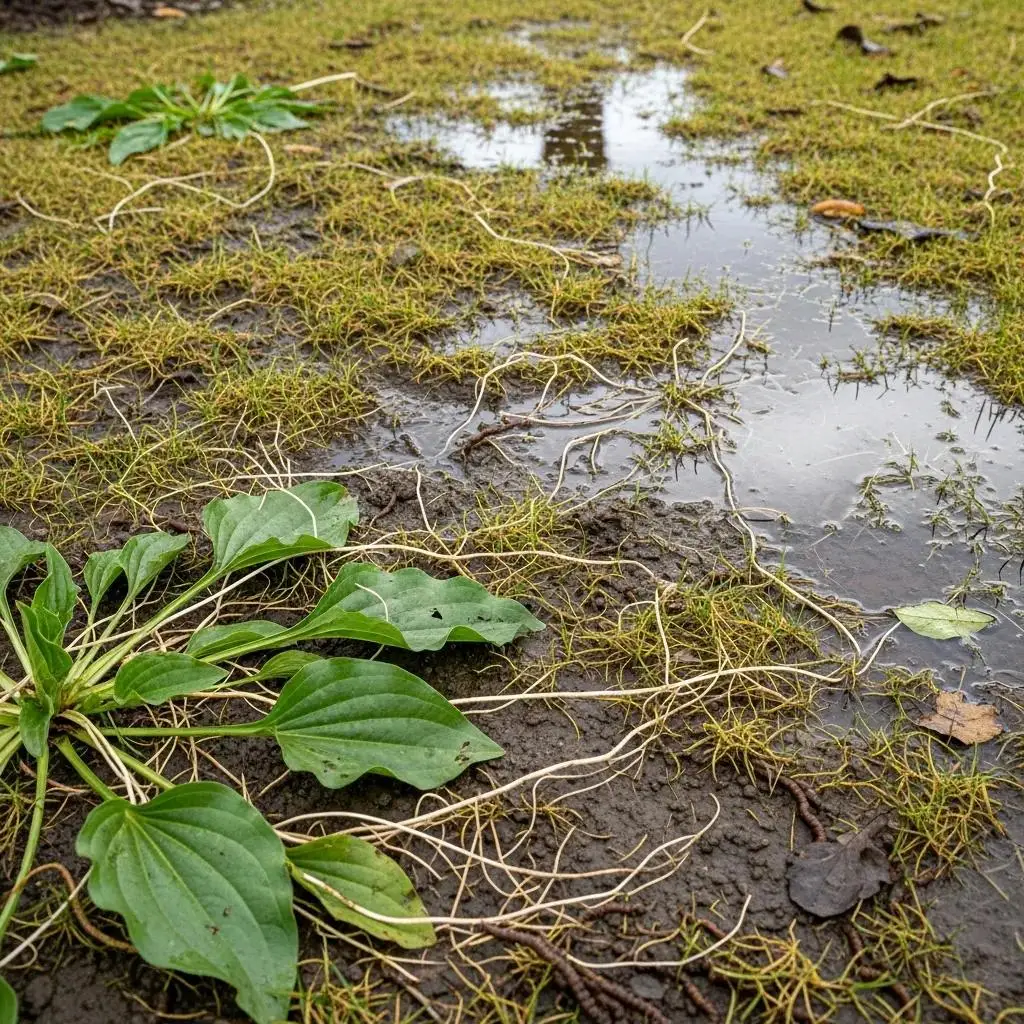
A soggy lawn is usually caused by excess moisture that can’t escape—often from compacted soil, poor grading, or an ineffective drainage system. Waterlogged roots struggle to get oxygen, which weakens grass and plants. Damp conditions also invite pests and disease. Fixing the drainage beneath the surface is the most reliable way to revive turf and stop recurring problems.
How Can Foundation Damage Reveal Underlying Drainage Issues?

Foundation damage commonly starts when water collects against the house. Excess moisture puts pressure on foundation walls and can cause cracks, leaks, and shifts. Catching these signs early can save you significant repair costs and prevent further structural damage.
What Are the Signs of Foundation Cracks and Basement Leaks?
Watch for visible cracks in walls or floors, doors and windows that no longer close properly, and damp or musty smells in basements. Pooled water in lower levels is a strong signal water is getting in where it shouldn’t. These are red flags that you should investigate drainage and foundation protection sooner rather than later.
How Does Water Intrusion Lead to Structural Damage?
When water penetrates foundation materials, it weakens structural components over time and can cause settling or movement. Damp conditions also promote mold, which is a health concern for occupants. Effective drainage and waterproofing reduce both structural risk and indoor air-quality problems.
A stable foundation is the cornerstone of a safe home — research into residential foundation failures underscores how damage to foundations undermines overall building stability.
Residential Foundation Failure: Causes & Structural Impact
Foundations are among the most vulnerable structural elements when damaged. They connect the building to the soil and transfer loads from the structure into the ground. Damage to these elements compromises the building’s overall stability and, in severe cases, can lead to partial or total collapse.
A case study of foundation failure of a residential building: From diagnosis to reparation, A Merah, 2021
What Are the Visible Effects of Erosion and Landscape Damage from Poor Drainage?
Poor drainage often shows up as eroded soil, exposed roots, and uneven terrain. When water runs uncontrolled across a yard, it carries away topsoil and undermines plantings, hardscapes, and walkways. Addressing how water moves on your property is key to protecting both appearance and safety.
How Does Soil Erosion Affect Your Yard and Property Stability?
Soil erosion removes the material plants rely on, exposes roots, and creates bare or unstable patches that are hard to replant. Over time, erosion can change contours and create trip hazards or damage to structures. Stopping the flow and restoring proper drainage stabilizes the landscape and protects long-term value.
What Are Washed-Out Areas and Their Impact on Landscaping?
Washed-out areas are low spots carved by concentrated water flow. They make lawns look patchy, make mowing difficult, and can expand into larger erosion problems. Installing drainage controls and regrading problem zones prevents repeat washouts and helps your landscape recover.
How Do Indoor Drainage Symptoms Signal the Need for Professional Help?
Signs inside your home—slow drains, odors, or repeated backups—often point to deeper issues with your drainage or plumbing. These indoor symptoms should prompt a closer look because they can signal blockages, broken pipes, or failing exterior drainage.
What Causes Slow Draining Sinks, Tubs, or Toilets?
Slow drains are usually caused by clogs, grease buildup, or an underlying problem with the drainage system. While some clogs are a simple DIY fix, persistent or multiple slow drains suggest a professional inspection to find and fix the root cause.
Why Do Foul Odors from Drains or Yard Indicate Drainage Problems?
Bad smells usually come from stagnant water or decomposing organic matter trapped in poorly draining areas. That indicates water isn’t moving as it should. Clearing blockages, correcting grading, or repairing drains removes the source of the odor and improves sanitation around your home.
How Are Increased Pests Linked to Drainage Problems on Your Property?
Standing water and consistently damp areas are attractive to mosquitoes, flies, and rodents. Increased pest activity often tracks back to places where water accumulates or can’t drain away. Fixing drainage reduces pest habitat and lowers health and nuisance risks.
Why Does Standing Water Attract Mosquitoes and Other Insects?
Mosquitoes lay eggs in still water, and other insects prefer moist habitats. Even small, forgotten pools—birdbaths, gutters, tire ruts—can become breeding sites. Eliminating standing water and improving flow removes those breeding grounds.
What Health Risks Do Pests from Poor Drainage Pose?
Pests that thrive in wet conditions can carry diseases or contaminate living spaces. Mosquito-borne illnesses and rodent-borne pathogens are real risks. Improving drainage is a straightforward step to reduce these health threats around your home.
When Should You Call a Professional for Drainage Solutions?
Some fixes you can handle, but persistent or severe symptoms call for a pro. If you see recurring pooling, foundation movement, or widespread erosion, it’s time to get an expert assessment. Professionals diagnose the cause and design a solution that prevents the problem from returning.
How to Distinguish Between DIY Fixes and Professional Drainage Services?
Basic tasks—clearing gutters, regrading small spots, or aerating compacted soil—are reasonable DIY projects. But when issues are recurring, affect your foundation, or involve complex grading or underground pipes, hire a professional. They’ll recommend durable solutions like French drains, foundation drains, or engineered grading changes.
What Are the Benefits of Early Professional Drainage Intervention?
Addressing drainage problems early saves money and stress. Professionals stop damage before it spreads, protect your foundation and landscape, and restore normal use of outdoor spaces. Early intervention often means simpler repairs and better long-term results.
Proactive foundation drainage is one of the most effective ways to reduce basement flooding and protect a home’s structural integrity.
Foundation Drainage Systems for Basement Flood Prevention
Building- and lot-scale flood management measures can significantly reduce basement flooding risk. Solutions include backwater valves to prevent sewer surcharge, low-impact development strategies to limit runoff into municipal systems, and foundation drainage systems that reduce infiltration into basements.
Reducing the risk of basement flooding through building-and lot-scale flood mitigation approaches: performance of foundation drainage systems, B Kaur, 2021
| Sign of Poor Drainage | Description | Potential Consequences |
|---|---|---|
| Water Pooling | Accumulation of water in the yard | Damage to landscaping, increased pests |
| Soggy Lawn | Excess moisture retention | Harm to plant health, pest infestations |
| Foundation Cracks | Visible fissures in walls | Structural damage, costly repairs |
| Erosion | Loss of soil stability | Unsafe conditions, landscape damage |
In short, recognizing drainage problems early protects your home and saves money. From visible puddles to foundation issues, these signs matter. When you understand the warning signals, you can act fast—repairing, restoring, and preventing further damage.
Frequently Asked Questions
What are the long-term effects of ignoring drainage issues?
Left untreated, drainage problems can cause progressive damage: foundation settlement and cracks, persistent mold and mildew, loss of topsoil, and an increase in pests. These issues add repair costs and can lower your property’s value and safety over time.
How can I improve drainage in my yard without professional help?
There are practical DIY steps: clean and extend gutters, regrade small low spots to direct water away from the house, add organic matter and aerate compacted soil, and install simple swales or rock-lined channels to guide runoff. For recurring or complex issues, bring in a pro.
What types of professional drainage solutions are available?
Common professional fixes include French drains that move water away, surface drains and catch basins to collect runoff, sump pumps for basements, and regrading to change how water flows across your lot. Experts may also suggest foundation waterproofing where needed.
How often should I inspect my drainage systems?
Inspect drains, gutters, and yard grading at least twice a year—spring and fall—and after major storms. Check for blockages, pooling, or new low spots. Regular checks catch problems early before they escalate.
Can landscaping choices affect drainage on my property?
Yes. Plant selection, tree placement, and hardscaping all influence how water moves and soaks in. Native, deep-rooted plants help absorb water; impermeable surfaces can increase runoff. Thoughtful landscape design improves drainage and reduces issues.
What should I do if I notice a sudden increase in pests around my property?
First, look for standing water, clogged gutters, or new damp areas that could be attracting pests. Eliminate obvious breeding sites and improve drainage where possible. If the infestation continues, contact pest control and a drainage professional to address root causes.
Conclusion
Good drainage protects your home’s structure, your landscaping, and your family’s health. By watching for water pooling, soggy lawns, foundation cracks, and other warning signs, you can act before small problems become expensive repairs. If you’re unsure, schedule an expert assessment—proper drainage solutions restore your yard and safeguard your investment for years to come.