
Best Natural Stone Paver Options for Your Outdoor Space
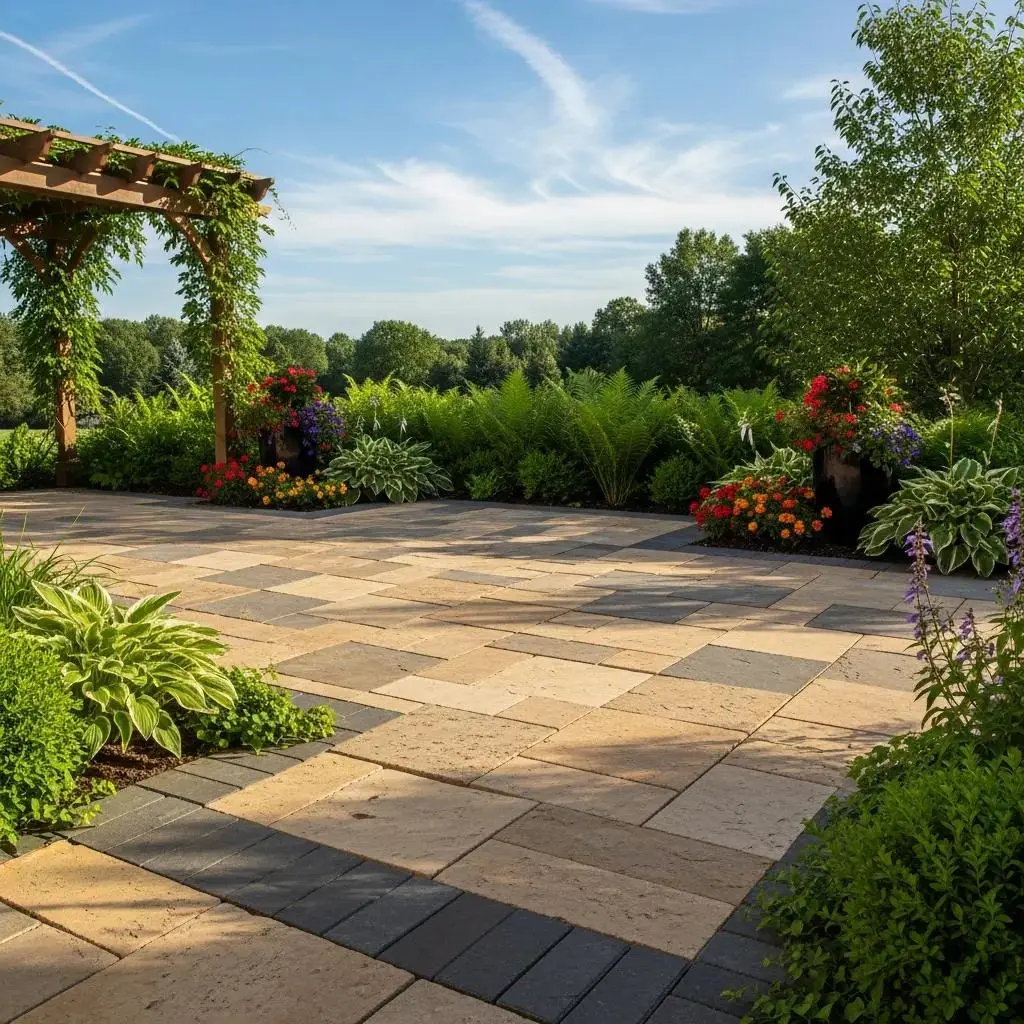
What Are the Best Natural Stone Pavers? A Complete Guide to Choosing Durable and Beautiful Stone Pavers
Natural stone pavers are quarried rock cut or split into flat pieces for outdoor hardscaping. They blend long-lasting performance with individual character you won’t get from manufactured products. This guide explains how common stones behave in Jacksonville’s humid subtropical climate, which types perform best at pool edges and driveways, and why thermal response, porosity, and slip resistance matter for each use. Homeowners and specifiers often trade higher upfront cost for lower lifecycle expense — here you’ll find a practical selection framework, a maintenance schedule suited to Florida conditions, and realistic cost considerations. We compare travertine, bluestone, granite, limestone, flagstone, and sandstone, cover installation and drainage best practices, and point out where local contractor experience matters. Read on for clear, actionable advice on choosing, installing, and caring for natural stone pavers that hold up to heat, humidity, and heavy use.
Why Are Natural Stone Pavers the Best Choice for Patios, Driveways, and Outdoor Spaces?
Natural stone pavers deliver a mix of durability, lasting visual appeal, and functional performance that makes them a go-to for patios, driveways, and other outdoor areas. Their material properties translate to practical benefits: strong compressive strength extends service life, porosity affects staining and sealing needs, and surface texture influences wet-weather traction. Those performance differences mean fewer replacements, better curb appeal, and design flexibility for custom patterns and finishes that concrete rarely matches. Start with material-first thinking — match stone properties to the site and budget — and you’ll avoid costly compromises. Below we break these advantages into homeowner-focused benefits and how they influence property value.
Natural stone pavers bring several practical benefits to outdoor living areas:
- Durability and longevity: Correctly installed stone resists wear and heavy loads for decades.
- Aesthetic variety: Natural color and texture variations let you create custom, high-end looks.
- Functional comfort: Many stones reflect heat and stay comfortable underfoot, especially around pools.
Together these benefits produce outdoor spaces that perform well and boost curb appeal — an important factor when considering resale value.
What Benefits Do Natural Stone Pavers Offer for Outdoor Living Areas?
Natural stone pavers improve thermal comfort, offer a range of textures, and resist long-term wear — all important for attractive, usable outdoor spaces. Light-colored, low-heat-absorbing stones keep pool decks cooler; textured surfaces increase traction when wet and reduce slips. Mineral makeup controls porosity, so low-porosity stones need less frequent sealing and resist stains better — helpful around outdoor kitchens and garden beds. Picking the right material up front aligns comfort, maintenance effort, and performance with how you’ll use the space. Those practical advantages also affect buyer perception and property value.
Thermal and Visual Perception of Naturally Cool Stones for Urban Paving
This study evaluated a light-colored, naturally cool stone for urban paving under summer conditions, looking at its thermal and visual performance. Results suggest that choosing stones with lower heat absorption can improve pedestrian comfort and reduce radiative stress — a useful consideration for paving and pool-deck projects.
On the thermal and visual pedestrians’ perception about cool natural stones for urban paving:
A field survey in summer conditions, F Rosso, 2016
How Do Natural Stone Pavers Increase Property Value and Curb Appeal?
Natural stone signals quality and permanence to buyers and appraisers. While concrete alternatives might cost less initially, stone retains a premium look and often requires fewer replacements over time. Unique color, texture, and a professionally installed finish create a high-end presentation that can support stronger offers and faster sales. Return on investment depends on stone choice, installation quality, and maintenance — so select materials and installers that suit your site and goals to realize value gains. Next, we compare stone types with Jacksonville’s climate in mind.
Which Natural Stone Paver Types Are Best for Jacksonville’s Climate and Outdoor Projects?

In Jacksonville’s warm, humid environment with frequent rain, the best stone pavers strike a balance between low heat absorption, reliable wet-weather traction, and manageable porosity for sealing. Common Florida recommendations include travertine for pool decks, bluestone for textured, slip-resistant patios, and dense granite for driveways. Evaluate durability, porosity, slip resistance, and how a stone handles heat relative to the intended use — the table below summarizes those tradeoffs and Florida-specific picks to help you match material to project needs.
The quick comparison below links stone properties to common Jacksonville uses:
| Stone Type | Key Attributes (durability, porosity, slip resistance, heat behavior) | Best Uses in Jacksonville |
|---|---|---|
| Travertine | Moderate porosity, low heat absorption, smooth to tumbled finishes; needs sealing | Pool decks, patios, barefoot areas |
| Bluestone | Dense, textured surface with high natural slip resistance; moderate porosity | Patios, wet-area terraces, pool surrounds |
| Granite | Very low porosity, high compressive strength, heat retention varies by color | Driveways, high-traffic areas, steps |
| Limestone / Sandstone | Variable porosity and texture; limestone often cooler but may require sealing | Patios, walkways, decorative areas |
This side-by-side view clarifies which stones deliver comfort and safety in humid, rainy conditions. For local guidance and material-specific advice, ARC Excavation Inc. has hands-on experience installing these stones across Jacksonville and can help you choose the right option and installation approach.
What Are the Key Features and Uses of Travertine Pavers in Florida?
Travertine works well in Florida thanks to its light colors and pore structure that reflect sunlight and stay cooler underfoot — ideal around pools. Finished correctly, its open texture provides natural traction and comfortable barefoot walking. Because travertine is porous, it needs sealing to limit stains and biological growth in humid conditions. Common finishes — honed, brushed, and tumbled — change texture and traction, so pick the finish that fits the use. A properly prepared base prevents movement and settling, protecting appearance and performance in wet weather.
What Are the Pros and Cons of Bluestone Pavers for Jacksonville Patios and Pool Decks?
Bluestone’s textured surface gives strong wet-weather traction, making it a solid choice for patios and pool surrounds. Its cool gray and blue tones suit coastal and subtropical landscapes, and moderate porosity means periodic sealing helps control stains and algae. Downsides include higher material cost and less color range than some stones; some finishes can feel rough for bare feet. Overall, bluestone balances safety and refined aesthetics when slip resistance matters.
How Do Limestone, Granite, Flagstone, and Sandstone Compare for Driveways and Walkways?
Granite is the hardest and most durable option here, ideal for driveways and heavy-traffic zones due to low porosity and high compressive strength. Flagstone and sandstone offer rustic, irregular textures that work well on walkways and patios but often need more maintenance and sealing in humid climates. Limestone sits in the middle — cooler to the touch but typically requiring regular sealing in exposed settings. Pick granite where strength and low upkeep are priorities; choose flagstone or sandstone when aesthetic character is the main goal.
Life Cycle Assessment and Deterioration Patterns of Natural Stone Pavements
This research integrates material properties, deterioration trends, and maintenance needs to estimate life-cycle performance of natural stone pavements. Its findings help owners compare long-term cost-effectiveness across stone types and maintenance strategies.
Life Cycle Cost Analysis and Deterioration Patterns of Limestone Paving, IM Shohet, 2024
How Do You Choose the Best Natural Stone Pavers for Specific Outdoor Applications?
Start by matching material properties — compressive strength, porosity, slip resistance, and thermal behavior — to the demands of the application. For driveways, prioritize dense, low-porosity stones and a robust base. For pool decks and barefoot zones, prioritize low heat absorption and finishes that stay comfortable yet provide traction when wet. Budget and design constraints matter too: some stones need more cutting and finishing (raising labor costs), while irregular quarried pieces affect layout time. Use the checklist below to compare candidates against your project priorities.
- Identify the application and expected load: driveway, pool deck, patio, or walkway.
- Match performance needs: prioritize compressive strength for driveways and slip resistance for wet areas.
- Estimate maintenance tolerance: choose lower-porosity stones for lower sealing frequency.
This simple matrix narrows options quickly; the next section applies these principles to driveways and other high-traffic areas.
Which Natural Stone Pavers Are Ideal for Driveways and High-Traffic Areas?
For driveways and high-traffic spaces, focus on compressive strength, abrasion resistance, and low porosity to limit oil and stain issues. Granite is the standout choice: its density and hardness resist wheel loads and tire wear, reducing surface wear over time. Proper installation is critical — a compacted sub-base, strong edge restraint, and appropriate jointing materials all help distribute loads and prevent movement. Hiring a contractor experienced in driveway installation pays off in reduced repairs and longer service life.
Skid Resistance of Paving Blocks and Clay Pavers Under Diverse Weather Conditions
This reference discusses initial skid resistance of different paving units in damp conditions and notes that small-element paving generally performs well for residential driveways and patios. It also highlights limitations for applications needing extreme skid resistance at higher speeds.
Small element paving: design and construction, 2011
What Are the Best Stone Pavers for Patios, Pool Decks, and Walkways?
Patios, pool decks, and walkways prioritize comfort, slip resistance, and visual harmony with landscaping. Travertine and bluestone are popular choices: travertine stays cooler for barefoot areas, while bluestone offers textured traction for wet conditions. Flagstone and limestone bring irregular shapes and natural character that blend well with planting beds and garden features. Proper jointing, drainage planning, and finish selection keep these stones performing in Jacksonville’s climate.
What Does Expert Natural Stone Paver Installation by ARC Excavation Include?
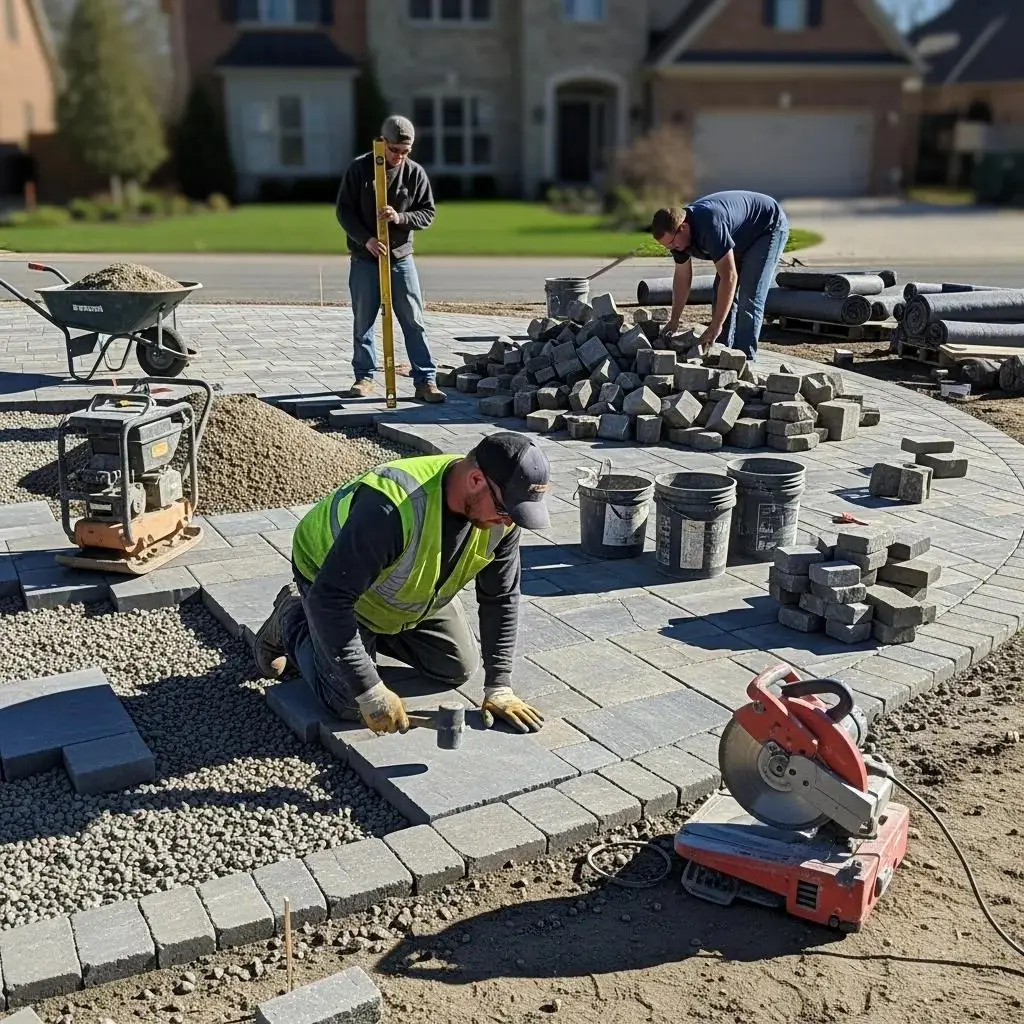
ARC Excavation Inc. installs pavers for driveways, walkways, patios, and pool decks and combines excavation, drainage, and hardscaping expertise for long-lasting results. Our process centers on solid base preparation with the right sub-base, professional compaction, accurate cutting and leveling, and reliable edge restraint to prevent movement. We design drainage for Florida weather, handle permitting when needed, and manage projects from prep through final clean-up. Homeowners looking for local experience can request a free quote and a site-specific installation plan tailored to material choice and use.
The typical professional workflow follows these practical steps:
- Site assessment and excavation to establish proper elevations and slopes.
- Sub-base installation and compaction to achieve the designed bearing capacity.
- Stone setting, precise cutting, jointing, and edge restraint for long-term stability.
Following these steps reduces future maintenance and preserves the stone’s lifecycle value; next we cover quality checks and local considerations.
How Does ARC Excavation Ensure Durable and Precise Paver Installation in Jacksonville?
We ensure durable installations with professional-grade base preparation, compaction checks where needed, and drainage strategies that account for Jacksonville’s heavy rains. Precision cutting and leveling minimize trip hazards and keep joints even, while edge restraint systems stop lateral movement and preserve patterns under load. Our workflow includes slope and runoff checks to prevent standing water and washout, plus final inspections to confirm jointing and compaction meet performance expectations. Those controls directly affect long-term performance and help stones reach their expected lifespan.
Why Is Local Expertise Important for Natural Stone Paver Projects in Florida?
Local knowledge matters because Jacksonville’s soils, high water-table areas, and frequent heavy rains require methods that prevent drainage issues, settlement, and humidity-driven biological growth. Contractors who know local permitting and stormwater rules can design slopes, drains, and sub-base specs that minimize movement and moisture exposure. Understanding how climate affects material aging and sealing schedules helps avoid premature discoloration and staining. Matching material and installation choices to local conditions is essential for long-term performance.
How Should You Maintain Natural Stone Pavers to Maximize Longevity and Beauty?
In Florida, keep stone pavers looking and performing their best with regular cleaning, timely sealing, and seasonal inspections to control stains and biological growth. Use pH-neutral cleaners for routine washing and avoid acidic products on calcareous stones like travertine and limestone. Pressure washing is effective but should be done at controlled pressure to avoid disturbing jointing materials. Penetrating sealers, applied on a schedule based on porosity and exposure, limit water and oil ingress while preserving texture. The table below outlines a maintenance cadence for common stone types in Jacksonville.
| Stone Type | Maintenance Task | Frequency / Recommended Product Type |
|---|---|---|
| Travertine | Clean with pH-neutral cleaner; reseal | Clean monthly; reseal every 12-24 months (penetrating sealer) |
| Bluestone | Brush and rinse; monitor algae | Clean monthly; consider yearly penetrating sealer |
| Granite | Sweep and rinse; occasional deep clean | Clean quarterly; reseal every 2-3 years if needed |
| Sandstone/Flagstone | Remove debris; reseal to prevent staining | Clean monthly; reseal every 12-24 months |
Use this schedule to protect appearance and function in humid, rainy climates. Below we cover cleaning and sealing best practices and a sensible maintenance cadence.
What Are the Best Cleaning and Sealing Practices for Natural Stone Pavers in Florida?
Use pH-neutral soaps or stone-specific cleaners and avoid acidic detergents that can etch calcareous stones. Keep pressure washing at moderate settings to remove grime without dislodging joint material. Penetrating sealers are preferred for preserving natural texture while repelling water and oils; surface film sealers can alter appearance and may not tolerate Florida’s heat and UV. For algae or mildew, use targeted cleaners, gentle scrubbing, and improved drainage and sunlight exposure to reduce recurrence. These methods preserve both look and slip resistance over time.
How Often Should Natural Stone Pavers Be Maintained to Prevent Damage?
Sweep or rinse monthly to remove debris that holds moisture and increases staining risk; deeper cleaning is typically a quarterly task for high-use areas. Resealing intervals vary: granite may need resealing every 2–3 years, while travertine and sandstone often benefit from resealing every 12–24 months in humid conditions. Inspect after heavy storms to catch mortar or joint washout early, and repair small issues (add joint sand, reset a loose stone) promptly to prevent larger failures. A regular maintenance rhythm reduces lifecycle costs and extends service life.
What Are the Typical Costs and Considerations for Natural Stone Paver Installation in Jacksonville?
Project costs depend on material choice, installation complexity, site preparation, and drainage needs. Material price per square foot and labor for cutting and finishing are primary drivers. Expect granite to cost more and require heavier cutting and base work; irregular flagstone shapes can increase layout time. Site conditions such as deep excavation, extra sub-base, or engineered drainage will raise the quote. The table below gives conservative cost/expectation ranges to help evaluate value.
| Stone Type | Cost Range (material) | Installation Considerations | Expected Lifespan |
|---|---|---|---|
| Travertine | Moderate | Requires sealing; precise jointing for pool decks | 20+ years with care |
| Bluestone | Moderate-High | Textured cuts, moderate sealing | 20+ years with maintenance |
| Granite | High | Heavy cutting; robust base required | 30+ years with proper install |
| Flagstone/Sandstone | Low-Moderate | Irregular shapes increase labor | 15–25 years depending on wear |
These ranges show how upfront cost relates to lifecycle value and installation complexity. For an accurate, project-specific estimate that accounts for drainage, base prep, design, and finish choices, contact a local installer for a tailored quote.
How Does Material Choice Affect the Cost of Natural Stone Pavers?
Material hardness, rarity, and finish complexity drive both material and labor costs. Harder stones like granite cost more to quarry and cut, increasing installation time and equipment needs. Locally available flagstone or sandstone can be less expensive per square foot but may need more layout and jointing time because of irregular shapes. Compare long-term durability and maintenance needs against upfront price to find the most economical choice for your goals.
What Should You Expect from a Professional Natural Stone Paver Installation Quote?
A good quote should itemize site prep, sub-base materials, drainage work, stone material costs, cutting and finishing labor, edge restraint, jointing material, and any permitting or inspection fees. Be wary of vague line items, missing base depth or drainage details, and no warranty or local references. Ask contractors about Jacksonville-specific experience, past projects, and drainage strategies for heavy rain. ARC Excavation Inc. offers free, tailored quotes that reflect local site realities and material choices.
What Are the Most Common Questions About Natural Stone Pavers?
The short Q&A below answers common buyer concerns — durability, slip risk, comparisons, and lifespan — and links each answer to installation and maintenance steps that improve results. If you need project-specific guidance, remember local experts can provide a free quote.
What Is the Most Durable Natural Stone Paver for Driveways?
Granite is the most durable choice for driveways thanks to high compressive strength and very low porosity, which resist wheel loads and limit oil penetration. Properly installed on a compacted sub-base with edge restraint, granite delivers the longest useful life among common natural stones.
Are Natural Stone Pavers Slippery and How Can Slip Resistance Be Improved?
Slip risk depends on stone type, finish, and wetness. Textured or cleft surfaces, honed finishes, and anti-slip treatments increase traction. Design measures — proper slope for runoff, perimeter drainage, and choosing textured stones like bluestone — reduce standing water. Routine cleaning to remove algae and debris also preserves natural grip. Combining material choice, finish, and drainage creates safer outdoor surfaces in humid climates.
How Do Natural Stone Pavers Compare to Concrete Pavers?
Natural stone offers unique color and texture variation and often better long-term value, while concrete pavers are typically less expensive upfront and come in consistent sizes and colors. Stone requires more careful installation and sometimes sealing, depending on porosity, but provides a distinct, enduring look many homeowners prefer. Your choice should reflect budget, desired appearance, and willingness to maintain the surface.
How Long Do Natural Stone Pavers Last with Proper Care?
With professional installation and routine maintenance, most natural stone pavers last 20–30 years or longer; very durable stones such as well-installed granite can exceed 30 years. Lifespan depends on stone hardness, installation quality (base and drainage), and maintenance like cleaning and resealing. Prompt repairs for joint washout or displaced stones prevent bigger problems and extend performance. For site-specific lifespan estimates and maintenance plans, request a free, no-obligation quote from a qualified local installer such as ARC Excavation Inc., who can provide tailored recommendations and full-service coordination.
Frequently Asked Questions
What are the environmental impacts of using natural stone pavers?
Natural stone can be a sustainable choice because of its longevity and low replacement rate. Quarrying has localized environmental impacts, so consider stones sourced closer to your project to reduce transport emissions and support responsible suppliers. Compared to heavily manufactured products, natural stone often has a lower carbon footprint over its life when properly maintained.
Can natural stone pavers be used in cold climates?
Yes — with the right stone and installation. Low-porosity options like granite absorb little water and resist freeze-thaw damage. Good drainage and a solid base are also essential to prevent movement and frost-related problems. Choose stones and finishes rated for freeze conditions and consult an installer familiar with cold-climate techniques.
How do I choose the right color and texture for my natural stone pavers?
Pick color and texture based on how you’ll use the space and the surrounding design. Lighter colors reflect heat and stay cooler; darker stones absorb more heat and create a stronger visual contrast. Textured finishes increase slip resistance and work well around pools. Consider the landscape, architecture, and your personal style to create a cohesive look.
What maintenance is required for natural stone pavers in humid climates?
In humid areas, regular cleaning and sealing prevent staining and biological growth. Use pH-neutral cleaners and avoid acids on calcareous stones. Porous stones like travertine typically need resealing every 12–24 months; denser stones such as granite can go longer between applications. Inspect after heavy rains to catch issues early.
Are there any specific installation techniques for natural stone pavers?
Yes. A well-compacted base (gravel or sand), correct jointing materials, and proper drainage are critical to long-term performance. Edge restraints prevent lateral movement. Hiring professionals experienced with local soil and weather conditions greatly improves installation quality and lifespan.
What are the best practices for repairing damaged natural stone pavers?
For small cracks, use an approved stone filler. If a paver is loose, lift it, recompact the base, and reset it. For extensive damage, replace affected stones. Regular sealing and cleaning reduce the risk of damage and keep repair needs minimal over time.
Conclusion
Natural stone pavers offer durability, distinctive aesthetics, and practical performance — a strong choice for Jacksonville’s climate when matched correctly to use and care. Understanding the strengths of travertine, bluestone, granite, and other stones helps you make decisions that improve comfort and property value. Professional installation and regular maintenance keep those benefits long term. For a site-specific recommendation and a free quote, reach out to our local team — we’ll help you choose the right stone and install it to last.