
Commercial Excavation Services for Business Properties
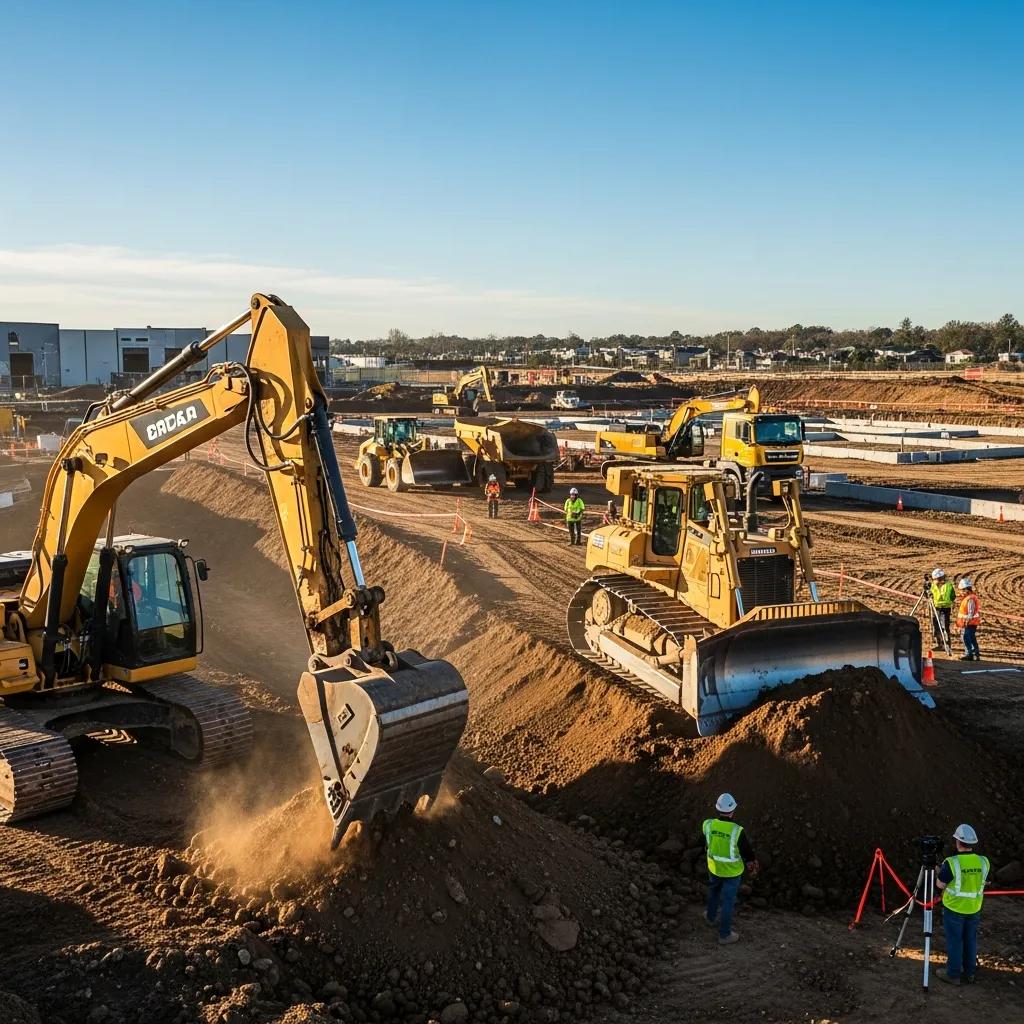
Commercial Excavation Services for Business Properties: Reliable Solutions for Site Preparation and Development
Commercial excavation services prepare business sites for construction by managing earthwork and site readiness. Work spans large-scale excavation and grading, utility trenching and site restoration. Finding contractors who deliver consistent quality while meeting safety and regulatory requirements is a common challenge. This article outlines core commercial excavation services, the development process, and the benefits of hiring professional contractors. It also summarizes ARC Excavation Inc.’s services in Jacksonville, Florida, and selection considerations.
Key Takeaways
- Commercial excavation is essential for preparing business properties for construction.
- Core services include site preparation, grading, utility trenching and foundation excavation.
- ARC Excavation Inc. provides specialized services for businesses in Jacksonville, Florida.
- The development process covers site evaluation, planning, execution and QA.
- Compliance, risk management and safety are primary hiring considerations.
- Professional contractors provide expertise, efficiency and access to specialized equipment.
- Heavy machinery improves productivity and supports safety when managed correctly.
- Local regulations must be understood to ensure compliant project completion.
Key Services Offered
ARC Excavation Inc. specializes in commercial excavation services for business sites. Their core offerings include land clearing, grading, utility trenching and foundation work to support development.
- Site Preparation: Clearing and preparing the land to create a build-ready surface.
- Mass and Fine Grading: Grading to specifications for drainage and stability.
- Utility Trenching and Installation: Excavation for water, gas and electrical lines.
- Foundation Excavation: Excavation to required depths for structural footings.
- Road Base Construction: Preparing durable bases for roads and parking areas.
- Site Restoration: Restoring or preparing land after construction.
These services meet common commercial development requirements and are delivered to project specifications and schedules.
Development Processes
The commercial excavation process follows staged steps to control cost, schedule and quality: evaluation, planning, execution and handoff.
- Site Evaluation and Survey: Assess site suitability before work begins.
- Planning: Create a detailed plan with timelines and resources.
- Execution: Carry out excavation with attention to safety and permits.
- Quality Assurance/Quality Control (QA/QC): Perform checks to meet standards.
- Final Grading and Handoff: Complete grading and transfer the site to the next phase.
Following these stages reduces risk and helps keep projects on schedule and within budget.
Key Considerations for Businesses
When hiring excavation services, evaluate contractors for compliance, risk controls, safety programs, environmental practices and cost transparency. These aspects influence project outcomes and long-term value.
- Compliance with Local Regulations: Choose contractors familiar with local permits and rules.
- Risk Management: Confirm how contractors identify and mitigate excavation risks.
- Safety Measures: Verify safety programmes and worker protections.
- Environmental Considerations: Ask about erosion control, runoff and habitat protection.
- Cost Management: Request detailed quotes and clarify inclusions and exclusions.
Risk management practices are a core element of successful excavation projects and support predictable time and cost outcomes.
Best Practices for Excavation Risk Management
This study examines best practices in excavation risk management and their application to estimating time and cost for deep excavation projects.
Integrating risk management’s best practices to estimate deep excavation projects’ time and cost, G Heravi, 2012
Considering these factors helps businesses select contractors aligned with project goals and regulatory obligations.
Benefits of Hiring Professional Contractors
Professional excavation contractors bring expertise, specialized equipment and coordinated services that reduce rework and schedule risk.
- Expertise and Efficiency: Experienced teams ensure efficient, standards-compliant work.
- Access to Specialized Equipment: Contractors supply heavy machinery and tools impractical for most businesses to own.
- Integrated Services: Combined site preparation, grading and utilities streamline delivery.
- Long-Term Value: Professional execution lowers the risk of costly mistakes and delays.
These advantages support timely completion and consistent quality across commercial projects.
What Are Commercial Excavation Services and Their Importance for Business Properties?
Commercial excavation covers earthmoving, grading and utility installation needed to establish a stable foundation. Proper execution reduces safety risks and costly delays later in construction.
Defining Commercial Excavation and Its Role in Site Preparation
Commercial excavation is the controlled removal and relocation of soil, rock or other material to prepare a site, including clearing, grading and drainage work that supports durable construction.
Key Benefits of Professional Excavation for Commercial Development
Hiring professionals provides planned risk reduction, efficient equipment use and compliance with safety and regulatory standards.
- Expert Planning and Risk Reduction: Early identification of challenges enables proactive mitigation.
- Right Equipment and Better Efficiency: Specialized machinery speeds work and improves accuracy.
- Safety and Regulatory Compliance: Contractors understand and follow applicable standards.
- Integrated Services to Minimize Rework: Consolidated services reduce scheduling conflicts and rework.
These benefits contribute to predictable schedules and lower total project cost.
Which Core Services Does ARC Excavation Inc. Provide in Jacksonville Florida?
ARC Excavation Inc. offers concrete demolition and removal, land clearing, grading and general excavation for residential and commercial clients in Jacksonville.
- Concrete Demolition & Removal: Remove existing concrete to prepare for new work.
- Land Clearing & Site Preparation: Clear sites to create build-ready conditions.
- Grading & Excavation: Precision grading and excavation for stable foundations.
- Residential & Commercial Excavation: Experience across property types and project scales.
These core services cover common site conditions and project types in the Jacksonville market.
Site Preparation and Land Clearing for Commercial Properties
Site preparation and land clearing remove vegetation, debris and obsolete structures to provide a level, build-ready surface and reduce schedule interruptions and extra cost.
Foundation Excavation and Utility Trenching Services
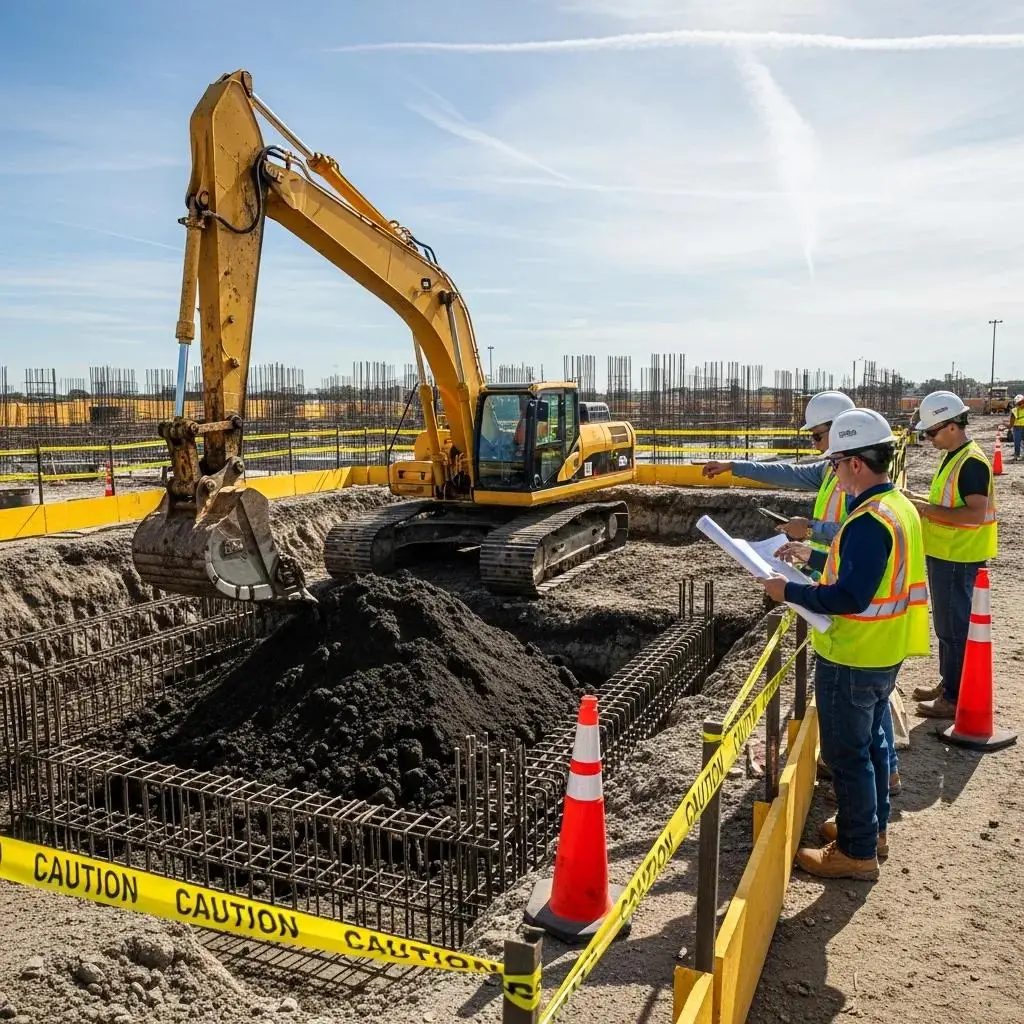
Foundation excavation creates required depths and bearing conditions for footings, while utility trenching provides trenches for water, gas and electrical services installed to specification.
How Does Heavy Equipment Enhance Commercial Excavation Efficiency and Safety?
Specialized heavy equipment increases productivity and reduces manual risk; maintained machines operated by trained personnel support safer, faster earthworks.
Types of Heavy Machinery Used in Commercial Excavation
Common machinery includes excavators, bulldozers, backhoes, compactors and dump trucks; each serves specific tasks to meet project needs.
- Excavators: Dig and move large volumes of earth.
- Bulldozers: Push and grade soil.
- Backhoes: Dig and lift in tight spaces.
- Compactors: Compact soil to specified density.
- Dump Trucks: Transport materials on and off site.
Right machine selection and operation enable contractors to meet specifications efficiently and safely.
Safety Standards and Compliance in Equipment Operation
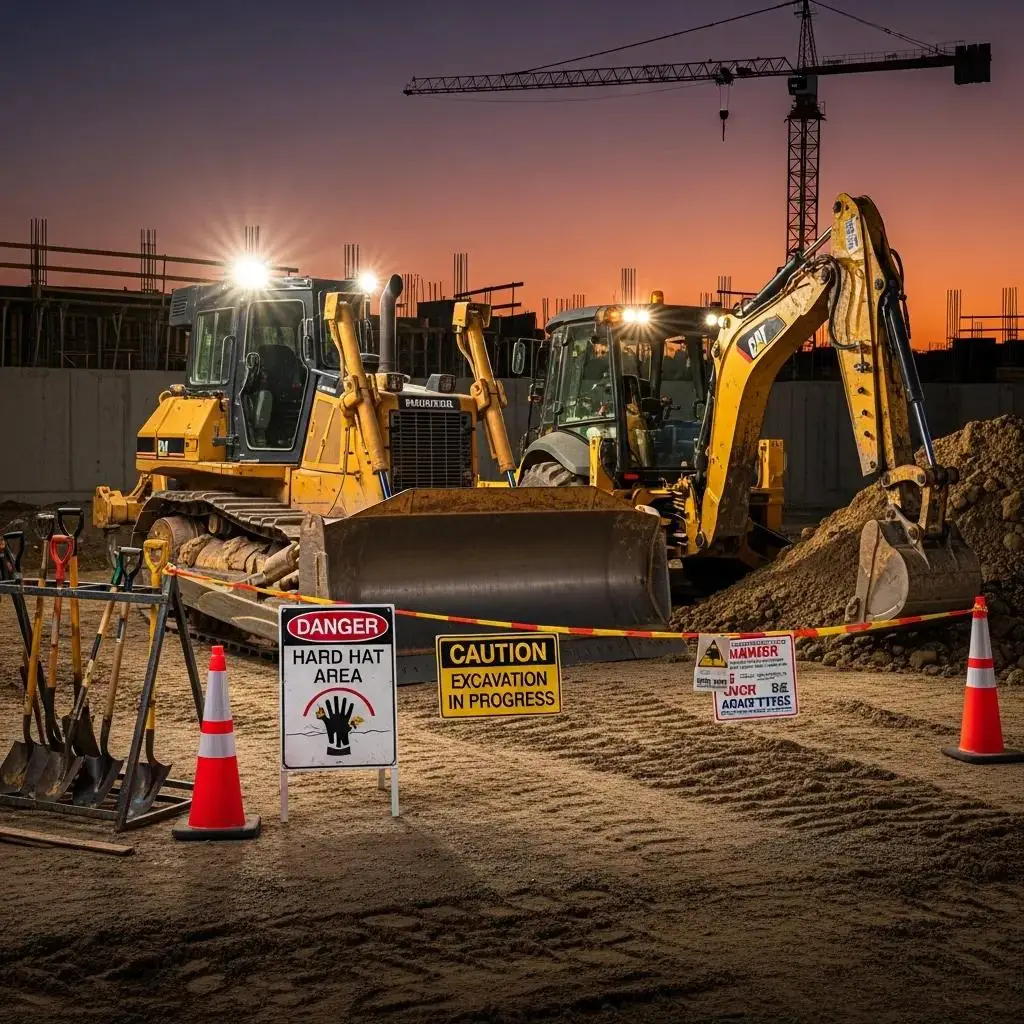
Adherence to OSHA standards, routine maintenance and operator training are fundamental to safe equipment operation and regulatory compliance.
Empirical studies emphasise that strict safety protocols are essential to reduce the risks associated with heavy equipment on excavation sites.
Excavation Safety: Preventing Heavy Equipment Fatalities
The study examines heavy equipment and truck-related fatalities in excavation work, noting that equipment-related incidents rank among the leading causes of death in construction.
Heavy equipment and truck-related deaths on excavation work sites, 2006
What Should Business Owners Know When Choosing Excavation Contractors Near Me?
Verify experience, licences, insurance, safety records and project references to confirm a contractor’s ability to deliver scope and comply with regulations.
- Key Qualifications: Seek relevant experience and certifications.
- Essential Questions to Ask: Ask about safety records, equipment and timelines.
- Important Factors to Evaluate: Review reputation, customer feedback and past projects.
These checks help identify contractors suited to technical and regulatory project needs.
Evaluating Local Expertise and Regulatory Knowledge in Florida
Local permitting and environmental regulations are critical. Contractors familiar with regional requirements can prevent permitting delays and ensure compliant execution.
Project Timelines, Customer Satisfaction, and Lead Generation Tips
Timelines and satisfaction are affected by weather, site conditions and equipment availability. Clear communication and regular updates build client confidence and reduce disputes.
- Key Factors Affecting Project Timelines: Weather, site conditions and equipment availability.
- Strategies to Enhance Customer Satisfaction: Maintain clear communication and provide regular progress reports.
- Effective Lead Generation Techniques: Build an online presence and use customer testimonials to attract clients.
Prioritizing these areas improves operational performance and client outcomes.
Frequently Asked Questions
What factors should businesses consider when evaluating excavation contractors?
Assess experience, licences, insurance, safety programmes, equipment condition and references. Past performance and testimonials indicate reliability and workmanship.
How can businesses ensure compliance with local excavation regulations?
Engage contractors who understand local permitting processes, verify licences and insurance, consult authorities when needed and document compliance steps.
What are the potential risks associated with commercial excavation projects?
Risks include equipment accidents, worker injury, environmental impacts and unexpected site conditions like undocumented utilities or unstable soils. Thorough evaluation and formal risk controls reduce exposures.
What role does technology play in modern excavation services?
GPS and laser grading systems improve accuracy, drones support surveys and project software streamlines scheduling and documentation.
How can businesses manage costs effectively during excavation projects?
Obtain detailed bids, clarify scope and exclusions, and maintain regular budget reviews and transparent communication to control costs and limit change orders.
What are the benefits of integrated excavation services?
Integrated services consolidate site preparation, grading and utility work under one provider, improving scheduling, accountability and reducing rework risk.
How does heavy machinery impact the safety of excavation projects?
Machines reduce manual handling but introduce operator and proximity risks; proper training, maintenance and site controls ensure machines enhance safety.