
Discover Jacksonville's Top Landscape Design Trends for 2023
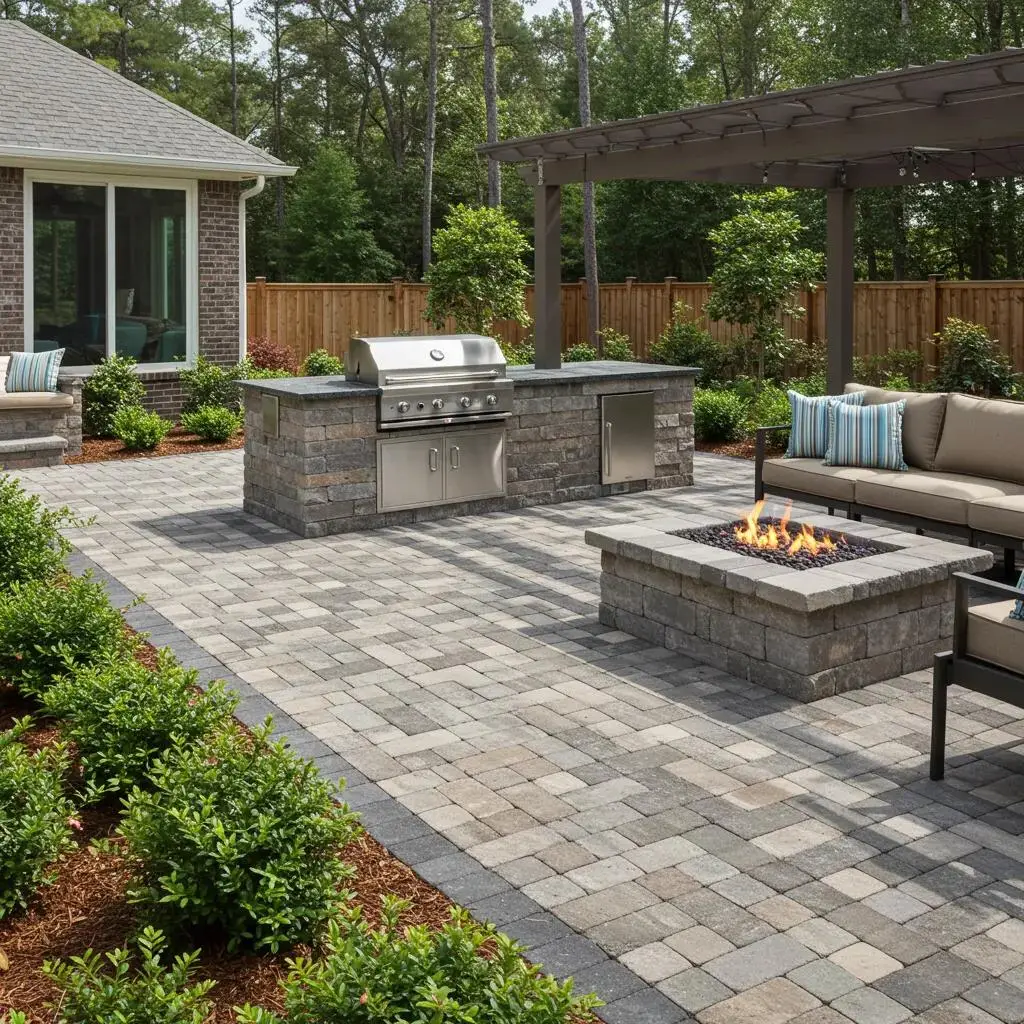
2025 Jacksonville Landscape Design Trends to Transform Your Yard
Jacksonville landscape design trends for 2025 prioritize resilient outdoor living, smart hardscaping, and water-wise planting strategies tailored to the city’s humid subtropical climate. This article explains the most impactful trends—paver patios, integrated outdoor kitchens and fire features, permeable hardscapes, and Florida-Friendly plant palettes—so homeowners can create usable, low-maintenance yards that withstand seasonal rain. You’ll learn why these trends suit Jacksonville specifically, how drainage and grading influence long-term performance, and which materials and plants deliver the best value and durability. We’ll focus on practical design choices, installation considerations, and maintenance tips that improve comfort and property value. First, we cover outdoor living features, then sustainable design and plant recommendations, modern backyard ideas, paver patio essentials, and finally how a local excavation and hardscaping specialist can help implement these trends. Understanding how site work, drainage, and material selection interact will prepare you to plan a landscape that looks contemporary and performs reliably through Florida weather.
What Are the Leading Outdoor Living Space Trends in Jacksonville for 2025?
Leading outdoor living trends in Jacksonville blend functional hardscaping with year-round comfort and storm resilience, prioritizing durable surfaces, flexible entertainment zones, and rain-aware design. Homeowners are really favoring paver patios and multifunctional seating that adapt to gatherings, plus outdoor kitchens and fire features that extend usable seasons. The emphasis on permeability and integrated drainage helps properties cope with heavy downpours while supporting nearby plantings. These trends deliver practical benefits—improved circulation, increased usable square footage, and easier maintenance—which make them attractive investments for Jacksonville yards. The following list highlights the top trends and their core benefits.
Popular outdoor living trends for Jacksonville in 2025 include:
- Paver patios and multifunctional terraces that provide durable, repairable surfaces for entertaining and play.
- Outdoor kitchens and built-in cooking centers that create dedicated prep and serving areas for year-round use.
- Fire pits and integrated hearth features that offer focal points and extend evening usability.
- Walkways and tiered seating that organize circulation, improve accessibility, and create visual zones.
- Permeable hardscaping solutions that reduce runoff and aid drainage during intense storms.
These trend choices set the stage for more specific design elements such as paver selection, drainage integration, and material palettes that follow.
How Do Paver Patios Enhance Outdoor Living Areas?
Paver patios create flexible, attractive platforms that define outdoor rooms while offering stronger drainage performance than many poured surfaces. Their modular paver units permit patterns and repairs without replacing entire slabs, and permeable or interlocking systems can reduce surface runoff. Design flexibility includes varied colors, sizes, and edge restraints to create clean lines or organic layouts suitable for contemporary or traditional yards. Choosing the right base/aggregate and edge detailing is essential because installation quality governs long-term durability and how well patios cope with Jacksonville’s seasonal rains.
What Features Define Modern Outdoor Kitchens and Fire Pits?
Modern outdoor kitchens in Jacksonville combine durable surfaces, moisture-resistant cabinetry, and proper drainage solutions to protect equipment and maintain function in humid conditions. Typical features include built-in grills, counter and prep space, weather-tolerant countertops, and adjacent drainage planning to prevent pooling near appliances. Fire pits and hearth features emphasize clearance, ember containment, and seating integration so they function safely alongside native plantings. Proper placement and materials selection reduce maintenance needs and ensure longevity despite Florida humidity and occasional heavy rain.
How Can Walkways and Seating Areas Improve Backyard Functionality?
Well-designed walkways and seating areas structure outdoor circulation, connect activity zones, and provide safe, slip-resistant paths during wet weather. Selecting pavers with textured surfaces or non-slip finishes improves safety, while elevated walkways or integrated drains prevent standing water in low spots. Seating walls and terraced steps can double as retaining structures that manage slopes and create clear sightlines for entertaining. Thoughtful lighting and plant placement further enhance usability, ensuring pathways are both functional and aesthetically unified with the overall landscape.
How Is Sustainable Landscape Design Shaping Jacksonville Backyards?

Sustainable landscape design in Jacksonville emphasizes water-efficient plantings, grading for storm resilience, and permeable hardscapes that lower runoff and support soil health. Sustainable approaches balance reduced irrigation needs with the city’s heat and rainfall patterns, using Florida-Friendly principles and xeriscape methods to create resilient, lower-maintenance yards. Grading, French drains, and permeable paving work together to prevent erosion and sustain plantings during intense storms. Below are practical sustainable practices and how they compare for water impact and maintenance.
Common sustainable practices and their suitability for Jacksonville:
- Xeriscaping: Reduces irrigation demand by using drought-tolerant native plants and mulch to conserve moisture.
- Florida-Friendly Landscaping: Integrates native species, efficient irrigation, and soil improvements to support local ecology.
- Permeable Hardscapes: Allows stormwater infiltration, reducing runoff and supporting groundwater recharge.
These practices are complementary: implementing native planting reduces water use, while proper drainage protect plant health during heavy rains.
Intro to the planned comparison table: The table below compares sustainable practices by water use impact, maintenance level, and suitability for Jacksonville conditions.
| Practice | Water Use Impact | Maintenance Level |
|---|---|---|
| Xeriscaping | Low — minimizes supplemental watering | Moderate — initial setup, low ongoing care |
| Florida-Friendly Landscaping | Low to Moderate — emphasizes native plants | Moderate — seasonal mulching and pruning |
| Permeable Hardscapes | Low — reduces runoff and supports infiltration | Low to Moderate — periodic cleaning of joints |
This comparison shows that combining native planting with permeable hardscapes gives the best balance of water savings and manageable upkeep in Jacksonville yards, enabling beautiful landscapes that perform through wet periods.
What Are the Benefits of Xeriscaping and Florida-Friendly Landscaping?
Xeriscaping and Florida-Friendly Landscaping deliver measurable reductions in irrigation demand while supporting local wildlife and pollinators, making them practical for Jacksonville homeowners. These approaches reduce water waste, lower long-term maintenance costs, and create resilient plant communities adapted to regional climate patterns. By prioritizing soil health, mulching, and right-plant-right-place selection, homeowners can achieve attractive plantings that require less chemical input and less frequent watering. Adopting these methods also simplifies seasonal care and connects the yard to broader ecological benefits such as habitat support for native insects.
How Does Effective Drainage Integration Support Eco-Friendly Gardens?
Effective drainage integration—through grading, French drains, and permeable paving—prevents erosion, reduces root rot risk, and ensures plants receive consistent moisture without prolonged saturation. Managing stormwater on-site protects garden beds and hardscapes, allowing sustainable plantings to establish and thrive. For Jacksonville, where heavy rain events are common, combining surface grading with subsurface solutions preserves soil structure and minimizes sediment transport to storm drains. Proper drainage planning also enables larger planting palettes and reduces the need for replanting after storms.
Intro to drainage solutions table: The following table outlines how specific drainage techniques function and their core benefits for Jacksonville yards.
| Technique | Primary Function | Benefit for Jacksonville |
|---|---|---|
| Grading | Direct surface runoff away from structures | Reduces pooling and foundation risk |
| French drain | Subsurface water diversion | Protects root zones and prevents saturation |
| Permeable pavers | Surface infiltration of stormwater | Lowers runoff and supports soil recharge |
Which Native and Drought-Tolerant Plants Thrive in Jacksonville?
Native and drought-tolerant plants suited to Jacksonville include species that tolerate heat, humidity, and periodic dry spells while supporting pollinators and local ecology. Recommended options emphasize low supplemental watering once established and adaptability to Gulf Coast soils. Planting choices should consider sun exposure, root space, and seasonal care to ensure longevity. Below is a concise list of suitable species with notes on placement and water needs.
Recommended native/drought-tolerant plants for Jacksonville:
- Saw palmetto — sun/partial shade, very low supplemental water once established.
- Muhly grass — sun, low water, adds texture and seasonal color.
- Florida anise — shade-tolerant understory, moderate water to establish.
- Blue porterweed — attracts pollinators, drought-tolerant, sun.
- Wax myrtle — versatile hedge, moderate water at planting, drought-tolerant later.
- Coontie — native cycad, very low water, excellent under trees.
These selections support biodiversity and reduce irrigation needs, forming the planting backbone of a Florida-Friendly landscape that complements permeable hardscapes.
What Are the Top Modern Backyard Ideas for Jacksonville Homes in 2025?
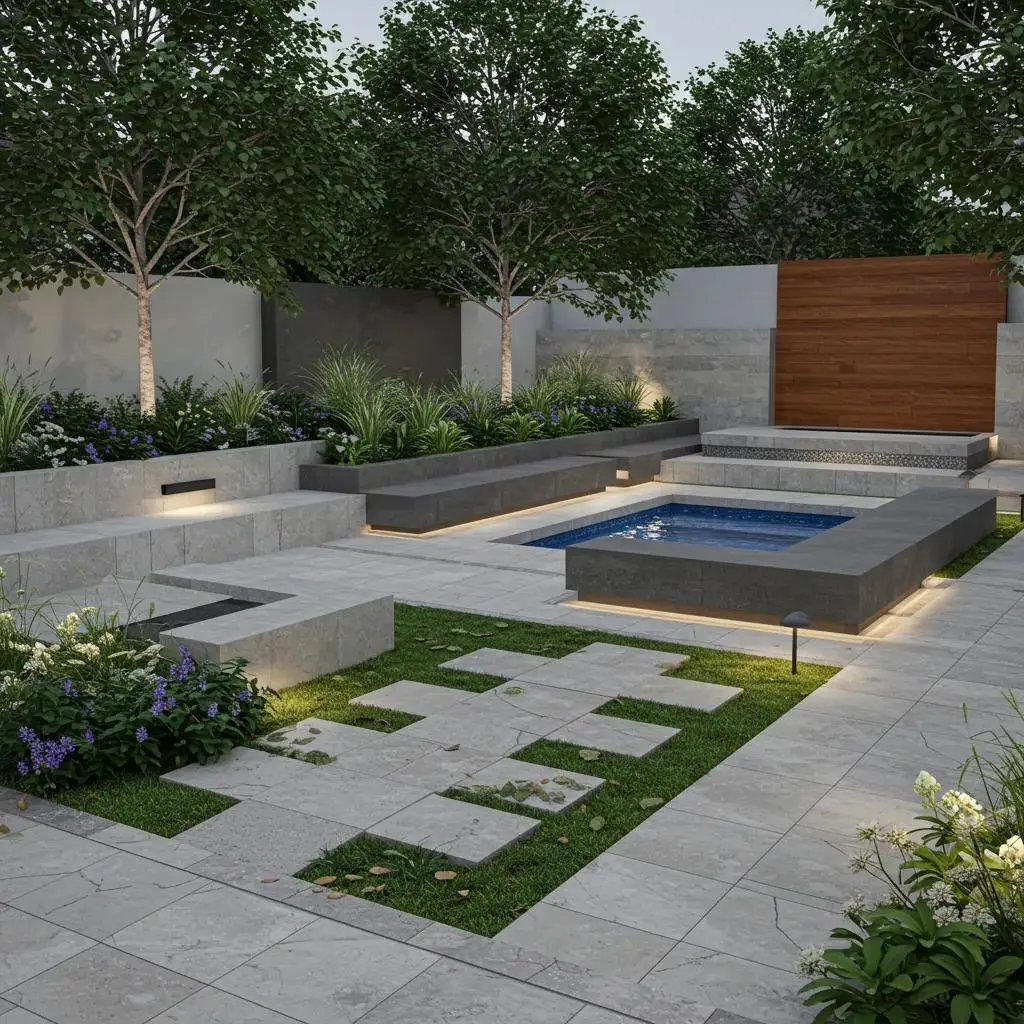
Modern backyard design for Jacksonville in 2025 favors clean geometries, neutral material palettes, and integrated systems that prioritize low maintenance and resilience to storms. Contemporary yards use linear paver patterns, restrained plant palettes, and multifunctional hardscape elements to create calm, usable outdoor rooms. Materials are chosen for durability and moisture resistance while minimizing visual clutter, and layout decisions prioritize circulation, drainage, and maintenance access. Next, we explore specific minimalist design principles and hardscaping services that define these modern yards.
Key modern backyard characteristics include:
- Clean lines and simplified geometry to create a sense of space and order.
- Neutral hardscape materials with textured accents to resist humidity and wear.
- Integrated lighting and irrigation hidden within hardscape features for neatness and function.
These characteristics guide material selection and layout decisions that make contemporary Jacksonville yards both stylish and practical.
How Do Clean Lines and Minimalist Designs Create Contemporary Spaces?
Clean lines, negative space, and consistent scaling produce contemporary yards that feel open and low-maintenance while highlighting plant textures and focal elements. Using repetitive materials—long-format pavers or consistent stone—reinforces visual continuity and simplifies maintenance. Proportion is key: pathways, planting beds, and seating areas should scale to human use, not overwhelm smaller yards. Minimalist approaches also make drainage and irrigation easier to manage because planting zones and hardscape flows are clearly defined.
What Materials and Hardscaping Elements Define Modern Backyards?
Modern backyards frequently use smooth concrete pavers, large-format units, metal accents, and simple retaining walls to create a refined visual language resilient to humid conditions. Materials should resist staining and biological growth common in humid climates; choosing reputable paver brands and proper base preparation reduces long-term repair needs. Low seating walls and integrated planters help frame spaces while serving structural roles such as soil retention. When selecting materials, prioritize durability, slip resistance, and compatibility with permeable systems.
How Can Outdoor Living and Functional Gardens Be Combined?
Combining outdoor living and functional gardens involves pairing entertainment zones with edible or pollinator-friendly plantings that sit within easy reach of prep areas while remaining tidy. Example pairings include herb planters adjacent to outdoor kitchens and raised beds near casual dining zones to provide fresh ingredients and visual interest. Irrigation and drainage must be coordinated so kitchen runoff does not overwhelm beds, and maintenance paths should enable harvesting without trampling. Thoughtful layout ensures both hospitality and productivity coexist without sacrificing design clarity.
Why Are Paver Patio Trends Essential for Jacksonville Landscape Design?
Paver patios are central to current Jacksonville landscape trends because they offer design flexibility, superior repairability, and better drainage options compared with many alternative surfaces. Permeable and interlocking paver systems reduce runoff and integrate with drainage strategies to protect plantings and foundations. Pavers also provide long-term value through ease of repair and replacement of individual units, and diverse pattern options help achieve contemporary aesthetics. Below is an educational comparison of common paver choices and why they are specified for Florida climates.
Intro to paver comparison table: The following table compares paver brands and types across key attributes relevant to Jacksonville installations.
| Paver Type | Durability / Weather Resistance | Best Uses |
|---|---|---|
| Belgard (concrete pavers) | High durability, designed for harsh weather | Patios, walkways, retaining walls |
| Tremron (stone/concrete units) | Durable, wide style options, good finish variety | Patios, feature areas, mixed-material layouts |
| Permeable pavers | Variable strength, allows infiltration | Driveways, patios needing stormwater control |
What Are the Advantages of Belgard and Tremron Pavers?
Belgard and Tremron pavers offer durable surface options with a wide range of styles that withstand humid conditions when properly installed with correct base preparation. These brands provide multiple texture and color choices suited to modern palettes while supporting interlocking systems that resist movement under cyclical weather. Selecting reputable paver products combined with a competent installation ensures longevity and simplifies repairs by replacing affected units rather than full slabs. Installation quality, including edge restraints and base/aggregate compaction, determines the system’s resilience to Jacksonville’s seasonal rainfall.
Which Paver Patterns and Installation Techniques Are Popular in 2025?
Popular paver patterns for 2025 include herringbone for strength, running bond for streamlined looks, and large-format layouts for a modern, minimal aesthetic. Installation fundamentals—proper excavation, consistent base depth, correct bedding sand, edge restraints, and compaction—directly influence longevity and how the surface handles water and load. Choosing permeable versus non-permeable installations depends on drainage goals: permeable for infiltration and runoff control, non-permeable for traditional patio uses with separate drainage management. Pattern choice also affects perceived scale and movement through outdoor spaces.
How Do Permeable and Interlocking Pavers Support Sustainable Landscaping?
Permeable pavers manage stormwater by allowing water to infiltrate through joints or porous units, reducing runoff and recharging soils beneath the surface. Interlocking systems provide structural stability that helps distribute loads and resist settlement while enabling individual unit replacement. Installing permeable systems requires correct base media and occasional maintenance of joint materials to preserve infiltration rates. For Jacksonville properties prone to heavy rain, permeable pavers act as an actionable tool to lower runoff, protect nearby vegetation, and reduce pressure on municipal storm systems.
How Can Arc Excavation Help You Implement Jacksonville’s Top Landscape Trends?
Arc Excavation is your go-to excavation company in Jacksonville, FL, that provides the site work, drainage, and hardscaping capabilities needed to implement the trends described above. Their services cover excavation and site work, drainage system installation, and hardscaping including paver installation for patios, walkways, and retaining walls, allowing homeowners to coordinate grading and stormwater measures with finished surfaces. Working with a local excavation firm aligns material selection and installation methods—such as Belgard and Tremron products—with Jacksonville site realities to reduce rework and enhance long-term performance. The next sections explain Arc Excavation’s practical service approach and what you can expect during your project.
What Makes Arc Excavation’s Hardscaping and Drainage Services Unique?
Arc Excavation specializes in excavation, drainage, hardscaping, and site work for residential and commercial clients in Jacksonville, emphasizing solutions that address local drainage and rainfall patterns. Their hardscaping offerings specifically include paver installation for patios, walkways, and retaining walls, and they work with quality materials specified for durability. By integrating grading and drainage with hardscape design, the company helps prevent standing water and erosion that can undermine plantings and patios. This local expertise is key because it connects material choices and construction techniques directly to Jacksonville’s climate challenges.
How Does Arc Excavation Ensure Quality and Transparent Project Management?
Arc Excavation follows a customer-centric, transparent quoting and project process that includes site evaluation, clear scopes, and project oversight to reduce surprises during installation. The process typically begins with a detailed site visit to assess grading, drainage needs, and material options, followed by a straightforward proposal and scheduled project management to oversee workmanship. Emphasizing quality materials and installation techniques helps ensure paver longevity and drainage performance. Clear communication during construction keeps homeowners informed and aligns expectations between site preparation and finished landscape elements.
Where Can You See Examples of Arc Excavation’s Trend-Aligned Projects?
Arc Excavation’s portfolio showcases trend-aligned projects including paver patios, walkways, retaining walls, and drainage solutions that demonstrate how integrated site work improves long-term performance. When evaluating portfolios, look for evidence of drainage integration, consistent base preparation, and material finish that match design intent—these details indicate durable workmanship. Reviewing project types such as patio-to-kitchen transitions, permeable walkways, and graded beds next to hardscapes helps homeowners visualize how trends can be implemented on similar properties. For those planning updates, consulting a local excavation and hardscaping specialist clarifies scope, timing, and how materials like Belgard and Tremron perform in Jacksonville conditions.
Frequently Asked Questions
What are the top considerations for selecting plants in Jacksonville's landscape design?
When selecting plants for Jacksonville’s landscape, consider factors such as climate adaptability, water requirements, and soil conditions. Native and drought-tolerant species are ideal as they thrive in the local humid subtropical climate and require less maintenance. Additionally, assess the sun exposure of your garden areas to ensure that chosen plants receive adequate light. Incorporating a mix of textures and colors can enhance visual appeal while supporting local wildlife, making your landscape both beautiful and ecologically beneficial.
How can you maintain your outdoor spaces effectively in Jacksonville?
Effective maintenance of outdoor spaces in Jacksonville involves regular tasks such as pruning, mulching, and monitoring irrigation needs. Homeowners should establish a seasonal care routine that includes checking drainage systems to prevent water pooling and erosion. Additionally, using native plants can reduce maintenance efforts, as they are better adapted to local conditions. Implementing a smart irrigation system can also help manage water usage efficiently, ensuring that plants receive the right amount of moisture without waste.
What crucial role does drainage play in landscape design for Jacksonville?
Drainage is crucial in Jacksonville’s landscape design due to the region’s heavy rainfall and potential flooding. Proper drainage systems, such as French drains and permeable pavers, help manage stormwater runoff, preventing erosion and protecting plant health. Effective grading directs water away from structures and minimizes pooling in garden beds. By integrating drainage solutions into the landscape design, homeowners can create resilient outdoor spaces that thrive despite the challenges posed by Florida’s weather.
How can outdoor lighting truly enhance landscape design in Jacksonville?
Outdoor lighting plays a significant role in enhancing landscape design by improving safety, functionality, and aesthetics. Well-placed lighting can highlight key features such as pathways, patios, and plantings, creating a welcoming atmosphere for evening gatherings. Additionally, integrated lighting systems can be designed to complement hardscaping elements, ensuring a cohesive look. By using energy-efficient LED fixtures, homeowners can also reduce energy costs while enjoying beautifully illuminated outdoor spaces that extend usability into the night.
What are the real benefits of hiring a local landscape professional in Jacksonville?
Hiring a local landscape professional in Jacksonville offers numerous benefits, including expertise in regional climate conditions, soil types, and native plant selections. Local professionals understand the specific challenges posed by Florida’s weather and can recommend sustainable practices that enhance resilience. They also provide valuable insights into design trends and materials that work best in the area. By collaborating with a specialist, homeowners can ensure that their landscape design is not only beautiful but also functional and long-lasting.
How can you incorporate edible plants into your landscape design?
Incorporating edible plants into landscape design can enhance both aesthetics and functionality. Homeowners can create herb gardens near outdoor kitchens or integrate fruit-bearing plants into ornamental beds. Selecting plants that thrive in Jacksonville’s climate, such as tomatoes, peppers, and citrus trees, ensures successful growth. Additionally, using raised beds or container gardening can optimize space and improve accessibility. This approach not only provides fresh produce but also adds visual interest and biodiversity to the landscape.
Ready to Transform Your Outdoor Space?
Embracing the latest landscape design trends in Jacksonville can significantly enhance your outdoor space, offering both aesthetic appeal and practical benefits. By integrating features like paver patios, outdoor kitchens, and sustainable planting strategies, you can create resilient environments that thrive in Florida’s climate. Understanding these trends empowers you to make informed decisions that will elevate your property’s value and usability. Ready to transform your yard into a modern oasis? Connect with a local expert today!