
Discover Unique Landscape Design Trends in Jacksonville, FL
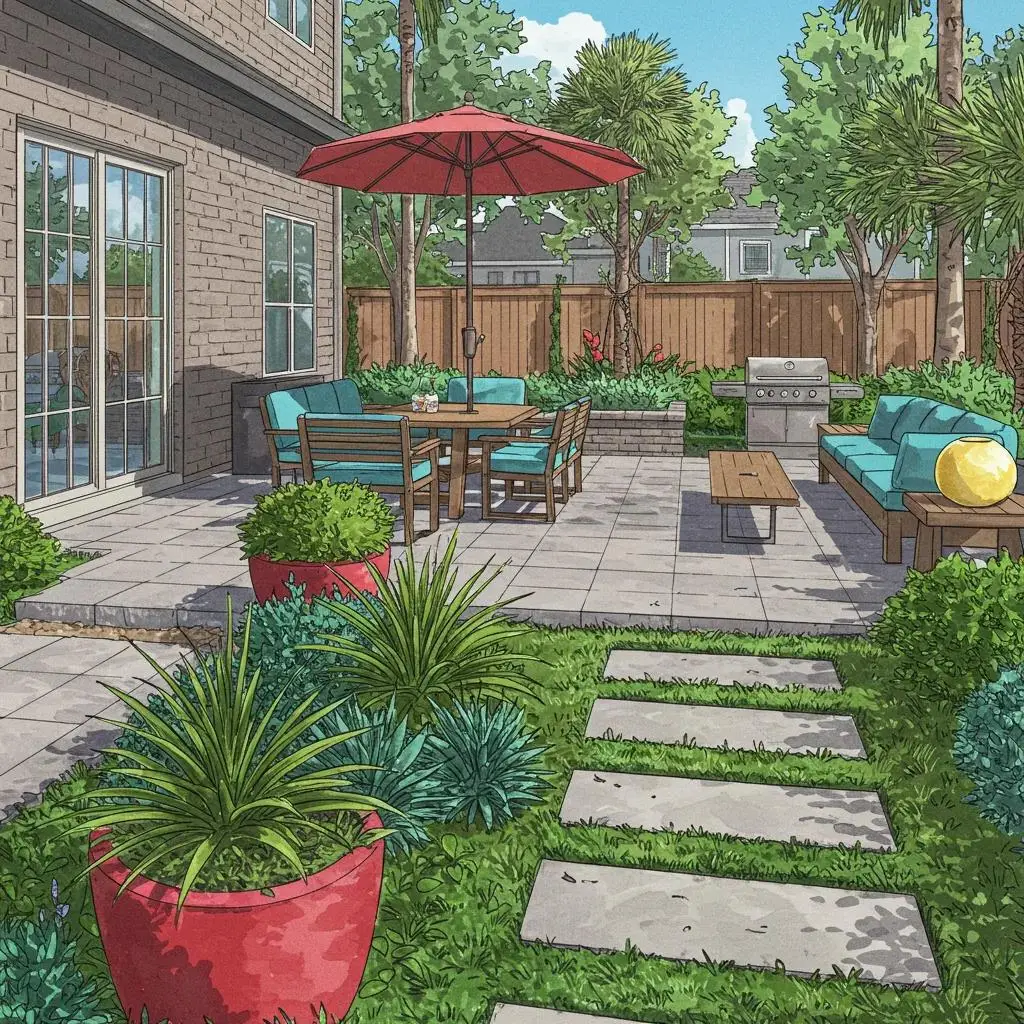
Jacksonville Landscape Design Trends: Key Styles & Sustainable Tips
Jacksonville’s landscape design trends reflect a blend of coastal resilience, subtropical abundance, and practical hardscaping-driven outdoor living that fits the city’s salt air and seasonal rainfall patterns. In this article, you’ll learn which styles define local yards, how hardscaping and drainage shape durable designs, and practical sustainability tactics that reduce maintenance while improving storm resilience. We’ll focus on landscape design, sustainable landscaping, native planting, and hardscaping choices—framing each trend with why it works in Jacksonville’s climate and how homeowners can apply it. You’ll also find actionable lists, comparative tables, and implementation tips that connect design aesthetics with the essential engineering that prevents erosion and standing water. We map trends across five core questions: dominant styles, hardscaping roles, sustainability strategies, outdoor living transformations, and climate-driven material choices—so you can plan landscapes that look great and stand up to local conditions.
What Are the Top Landscape Styles Defining Jacksonville FL?
Top landscape styles in Jacksonville combine coastal durability with subtropical abundance and modern simplicity, each responding to salt exposure, humidity, and heavy rain patterns. These styles deliver distinct aesthetic and functional benefits, guiding plant palettes, material choices, and maintenance routines that suit local homeowners. Understanding these styles helps align design goals—be it low maintenance, native biodiversity, or outdoor living—so the landscape supports daily use and storm resilience. Here’s a look at the dominant approaches, with a quick rationale for each.
- Coastal-Resilient : Uses salt-tolerant plants and corrosion-resistant materials to withstand ocean influence and wind.
- Tropical-Planting : Emphasizes lush palms and broadleaf shrubs that thrive in humidity and create a resort-like feel.
- Modern Minimalist : Focuses on clean lines, multifunctional hardscape zones, and restrained plant palettes for easy upkeep.
- Florida-Friendly / Native : Prioritizes native plants and water-wise design to reduce irrigation and support local wildlife.
- Xeriscape-Adapted : Combines drought-resistant species and efficient irrigation to lower water use while maintaining curb appeal.
These styles offer practical starting points. Pick one as your main guide, then layer in other elements—drainage, lighting—to achieve both beauty and durability.
Which Coastal Landscape Ideas Are Popular in Jacksonville?

Coastal landscape ideas in Jacksonville prioritize salt-tolerant species, wind-shaped forms, and materials that resist corrosion from salty air. Many designers place buffer plantings of salt-tolerant shrubs and grasses at edges to shelter more sensitive specimens and reduce salt spray impact, while using metals and pavers specified for coastal exposure. Maintenance routines emphasize rinsing and protective finishes for fixtures and monitoring soil salinity to preserve plant health. Transition planting and windbreaks also create layered visual interest while protecting outdoor living zones from prevailing winds.
How Does Modern Backyard Design Influence Jacksonville Homes?
Modern backyard design in Jacksonville emphasizes multifunctional zones, uncluttered plant palettes, and durable surface choices that simplify maintenance and support outdoor living year-round. Clean paver patterns, integrated seating walls, and defined pathways create usable rooms that allow for cooking, dining, and relaxation while minimizing turf area and irrigation demand. Function drives material selection: permeable pavers and modular concrete units help manage stormwater while maintaining crisp geometry. Smart zoning connects aesthetics to performance, making your backyard as resilient as it is contemporary.
What Florida Landscape Design Trends Emphasize Sustainability?
Sustainable landscape trends in Jacksonville focus on native plantings, water-wise design, and stormwater-aware hardscaping that reduce resource use and increase resilience during heavy rains. These approaches lower irrigation needs, support pollinators and local ecology, and help properties shed or absorb stormwater more effectively. Practical tactics include substituting turf with native groundcovers, using permeable paving near patios, and creating planting beds that tolerate intermittent flooding. Using these methods brings long-term savings on water and maintenance while improving landscape health.
How Do Hardscaping Elements Shape Jacksonville’s Landscape Design?
Hardscaping defines both the look and the function of Jacksonville landscapes by creating structure, controlling erosion, and enabling outdoor living that withstands subtropical weather. Pavers, retaining walls, patios, and driveways are key components of hardscaping—elements that together manage runoff, provide durable activity surfaces, and anchor planting schemes. Material choice matters: permeable pavers support stormwater management, natural stone offers longevity and texture, and modular concrete gives predictable performance for high-use zones. This table compares common paver types to clarify trade-offs for local climates.
Different paver materials vary in cost, drainage, and upkeep, so choose based on intended function and exposure.
| Paver Type | Key Attribute | Practical Value |
|---|---|---|
| Permeable concrete pavers | Stormwater infiltration | Reduces runoff and standing water in heavy rains |
| Natural stone pavers | Aesthetic variety and longevity | High durability with mixed maintenance needs |
| Modular concrete pavers | Consistent sizing and pattern options | Cost-effective and easy to replace/repair |
Selecting the right paver balances appearance with drainage and maintenance. Next, retaining walls play a complementary role in sloped or eroding sites by creating terraces and stabilizing grades for planting and patio areas.
What Are the Latest Trends in Paver Patio Designs for Jacksonville?
Paver patio designs trending in Jacksonville favor permeable systems, mixed materials, and patterns that read well at human scale, such as herringbone and large-format modular layouts. Permeable pavers are increasingly chosen for their ability to infiltrate stormwater where soil allows, reducing runoff to drains and minimizing pooling after heavy storms. Pattern choice and joint width affect aesthetics and load distribution, so designers pair patterns with appropriate base and edge restraint for longevity. Proper installation—including grading, base compaction, edge restraint, and jointing—ensures paver patios stay flat and perform well through seasonal weather.
Why Are Retaining Walls Important for Jacksonville Properties?
Retaining walls manage grade changes, prevent erosion, and create terrace opportunities for planting or seating, which is vital on properties with slopes or poor drainage. Materials range from segmental concrete retaining wall blocks to stacked natural stone, each offering different structural and visual outcomes depending on height and loading. Well-designed walls incorporate drainage behind the structure to prevent hydrostatic pressure, preserving both function and nearby plantings. Retaining walls can also become functional design elements, serving as seating or integrated planters that expand usable outdoor areas without sacrificing storm resilience.
Arc Excavation offers specialized hardscaping support in Jacksonville, providing paver patio installation and retaining wall construction that tie design intent to durable site work. As an excavation company in Jacksonville, FL, the team focuses on excavation, grading, and hardscaping services that prepare sites for long-lasting patios and terraces. For example, a recent residential job required regrading and base preparation before installing a modular paver patio and a terraced retaining wall to eliminate a chronic slope-related drainage problem; proper site prep reduced future maintenance and improved surface stability.
Why Is Sustainable Landscaping Essential for Jacksonville FL Homes?

Sustainable landscaping in Jacksonville reduces water use, increases storm resilience, and lowers long-term maintenance demands by aligning plant and hardscape choices with local climate realities. Sustainability here means using native plants, efficient irrigation, permeable materials, and drainage that together conserve resources and protect properties during heavy rain events. Benefits include measurable water savings, reduced erosion, and healthier soil that supports resilient plantings through seasonal extremes. Homeowners who use these strategies will find their landscapes need less upkeep, while still looking great and supporting local ecology.
Sustainable yards prioritize several core practices that deliver environmental and practical benefits.
- Native plant selection : Reduces irrigation and supports local wildlife.
- Permeable surfaces : Lowers runoff and helps recharge soils after storms.
- Efficient irrigation : Minimizes water waste through targeted delivery.
- Smart grading and drainage : Prevents soil erosion and protects foundations.
These practices combine to create landscapes that perform reliably with lower upkeep. The next subsection lists native plants suited to Jacksonville microclimates and exposure conditions.
Which Native Plants Thrive in Jacksonville’s Climate?
Jacksonville benefits from a range of Florida-native species that tolerate humid subtropical conditions, saline influence near the coast, and periodic heavy rainfall. Choose plants that match sun exposure and soil drainage: salt-tolerant shrubs near the shore, understory natives for shaded beds, and drought-resistant grasses for low-maintenance zones. Native options enhance biodiversity and typically require less supplemental irrigation once established. Plant diversity also reduces pest and disease pressure, creating a more resilient ecosystem that supports pollinators and birds.
How Does Xeriscaping Benefit Jacksonville Landscapes?
Xeriscaping in Jacksonville reduces landscape water demand by combining soil improvement, drought-tolerant plant selection, mulching, and efficient irrigation scheduling to maintain healthy appearance with minimal watering. The core principles include improving soil organic matter, grouping plants by water need, using mulch to reduce evaporation, and deploying drip irrigation for targeted delivery. Xeriscaping saves you money on water bills and cuts down on maintenance time, all while giving you a diverse, resilient landscape. Implemented sensitively, xeriscaping can still provide lush-looking beds suited to local aesthetics.
What Effective Drainage Solutions Support Sustainable Landscape Design?
Effective drainage solutions in Jacksonville include French drains, bioswales (swales), and dry wells; each reduces surface water and protects plantings by moving or infiltrating runoff away from vulnerable areas. A French drain uses perforated pipe in a stone trench to intercept subsurface flow, a bioswale guides surface runoff through planted channels for filtration, and dry wells collect concentrated runoff for onsite infiltration where soil allows. Matching solution to site conditions—soil percolation, slope, and proximity to structures—determines effectiveness and longevity. Arc Excavation implements drainage solutions to resolve chronic standing water issues and integrate drainage with landscape grading for sustainable outcomes.
Comparing drainage options clarifies installation complexity and suitability for coastal subtropical rainfall patterns.
| Drainage Solution | Installation Complexity | Best Use Case |
|---|---|---|
| French drain | Moderate | Redirecting subsurface seepage away from foundations |
| Bioswale / swale | Low-Moderate | Conveying and filtering surface runoff across landscapes |
| Dry well | Moderate-High | Capturing concentrated runoff for onsite infiltration |
Choosing the right drainage approach reduces plant stress, prevents erosion, and protects structures. Proper integration of these systems with planting and paving ensures a cohesive, sustainable landscape.
How Are Outdoor Living Spaces Transforming Jacksonville Backyards?
Outdoor living spaces in Jacksonville are increasingly becoming year-round extensions of the home, blending kitchens, lounges, and lighting to support entertaining and daily use while withstanding coastal-subtropical weather. Successful outdoor rooms depend on durable hardscaping, correct site grading, and infrastructure for utilities—so design and engineering are closely linked. Features are selected for low maintenance and corrosion resistance, while lighting and multi-use furniture extend usability into evening hours. Below is a comparison of common outdoor living features and their practical needs.
Consider how feature selection affects space planning, maintenance, and infrastructure requirements.
| Feature | Infrastructure Need | Typical Maintenance |
|---|---|---|
| Outdoor kitchen | Electrical, gas, solid base, drainage | Routine cleaning, weather protection |
| Fire pit | Level hardscape surface, clearances | Ash removal, occasional surface maintenance |
| Pergola / shade | Foundations or anchored footings | Stain/finish maintenance on wood; corrosion checks on metal |
- Outdoor kitchens : Enable cooking and gathering outdoors with proper gas, electric, and drainage infrastructure.
- Fire features : Provide focal points for evenings and cooler months while requiring safe clearances.
- Covered seating and pergolas : Offer shade and reduce UV stress on plants and materials.
What Features Define Modern Outdoor Kitchens and Entertainment Areas?
Modern outdoor kitchens in Jacksonville combine cooking islands, durable prep surfaces, integrated seating, and covered zones to create versatile entertainment hubs that handle humidity and storms. Key infrastructure needs include reliable electrical circuits, gas lines where applicable, and drainage that prevents grease or wash water from pooling. Sequencing matters: excavation and proper base work precede hardscape installation, then utility rough-ins and finishing elements follow to ensure longevity. Proper coordination between excavators, hardscape contractors, and trades reduces rework and results in a durable, serviceable outdoor kitchen area.
Correct site prep and hardscaping services are essential to durable outdoor installations, and excavation firms that handle grading and base preparation play a critical supporting role in enabling long-lasting outdoor kitchens and entertainment areas.
Which Landscape Lighting Trends Enhance Jacksonville Outdoor Spaces?
Landscape lighting trends for Jacksonville favor low-voltage LED fixtures, corrosion-resistant materials, and smart controls that adjust brightness and scheduling for energy efficiency and seasonal changes. Thoughtful placement highlights circulation paths, key plant specimens, and gathering areas while minimizing light pollution and glare. Fixtures designed for wet, humid coastal climates improve longevity and reduce maintenance, while programmable controls add convenience and security. Combining layered lighting—task, ambient, and accent—extends usable hours and enhances the perceived quality of outdoor spaces.
How Does Jacksonville’s Climate and Location Influence Landscape Design Trends?
Jacksonville’s humid subtropical climate and coastal proximity drive decisions about plant selection, materials, and storm-resilient construction practices that together define local landscaping norms. Heavy seasonal rains require attention to grading and drainage; salt exposure and humidity influence material choices toward corrosion-resistant metals, durable pavers, and appropriately selected woods or composites. Designers balance tropical aesthetics with practical durability, selecting plants and finishes that tolerate wind, salt, sun, and occasional drought. Integrating these constraints early in design reduces long-term maintenance and preserves landscape performance.
What Coastal and Tropical Elements Are Common in Jacksonville Landscapes?
Common coastal and tropical elements include palms and broadleaf plants, sandy or shell-based mulches, and textured paving that evokes beachside character while resisting slippage. These motifs create a relaxed, tropical ambiance but must be paired with materials specified for salt and humidity resilience to avoid premature deterioration. Designers use layered planting to achieve lushness while protecting delicate species from wind and salt, combining aesthetics with practical hardscaping services.
How Do Local Conditions Affect Material and Plant Choices?
Local conditions dictate selecting paver types that manage stormwater, metals finished for corrosion resistance, and plants chosen for sun and salt tolerance to ensure long-term performance. Soil testing and site grading determine where permeable versus non-permeable solutions are appropriate; choosing the wrong material or species can lead to excess maintenance or failure during storms. By aligning materials and plant palettes to exposure, drainage, and intended use, homeowners create landscapes that are both beautiful and resilient in Jacksonville’s coastal-subtropical environment.
Frequently Asked Questions
What are the benefits of using native plants in Jacksonville landscaping?
Using native plants in Jacksonville landscaping offers many benefits, like less water use and lower maintenance. Native species are adapted to the local climate, making them more resilient to drought and heavy rainfall. They also support local wildlife, including pollinators, boosting biodiversity. Additionally, native plants typically require less fertilizer and pesticides, leading to a healthier ecosystem. By incorporating these plants, homeowners can create beautiful landscapes that thrive with minimal intervention, ultimately saving you time and resources.
How can homeowners improve drainage in their landscapes?
Homeowners can improve drainage in their landscapes by using several strategies, like installing French drains, bioswales, or dry wells. French drains redirect subsurface water away from foundations, while bioswales filter and convey surface runoff through planted channels. Dry wells capture concentrated runoff for onsite infiltration. Additionally, grading the landscape to direct water flow away from structures and using permeable paving can further enhance drainage. These solutions help prevent erosion, reduce standing water, and protect plant health during heavy rains.
What role does hardscaping play in landscape design?
Hardscaping plays a crucial role in landscape design by providing structure, functionality, and aesthetic appeal. Elements such as patios, walkways, retaining walls, and outdoor kitchens create usable outdoor spaces that enhance the overall experience. Hardscaping also helps manage stormwater runoff, controls erosion, and defines different areas within the landscape. By selecting durable materials that withstand Jacksonville’s climate, homeowners can ensure that their hardscaping services remain functional and visually appealing for years to come.
How can outdoor living spaces be designed for year-round use?
To design outdoor living spaces for year-round use in Jacksonville, homeowners should focus on incorporating durable materials, multifunctional zones, and adequate infrastructure. Features like covered patios, outdoor kitchens, and fire pits extend usability during various weather conditions. Additionally, selecting corrosion-resistant materials and ensuring proper drainage will enhance longevity. Thoughtful planning of seating arrangements and lighting can create inviting spaces for entertaining and relaxation, making outdoor areas enjoyable throughout the year.
What are the latest trends in landscape lighting for outdoor spaces?
Recent trends in landscape lighting for outdoor spaces in Jacksonville emphasize energy efficiency and durability. Low-voltage LED fixtures are popular for their long lifespan and reduced energy consumption. Smart controls that adjust brightness and scheduling enhance convenience and security. Designers are also focusing on strategic placement to highlight pathways, key plants, and gathering areas while minimizing light pollution. Layering different types of lighting, such as ambient, task, and accent, creates a warm and inviting atmosphere for outdoor spaces.
How does climate influence plant selection in Jacksonville?
Jacksonville’s humid subtropical climate significantly influences plant selection, as it requires species that can tolerate high humidity, salt exposure, and heavy rainfall. Homeowners should choose plants that thrive in these conditions, such as salt-tolerant shrubs near the coast and drought-resistant varieties for drier areas. Understanding local microclimates and soil conditions is essential for selecting the right plants, as this ensures long-term health and reduces maintenance needs. By aligning plant choices with climate realities, homeowners can create resilient and beautiful landscapes.
Conclusion
Embracing Jacksonville’s unique landscape design trends helps homeowners create resilient, beautiful outdoor spaces that thrive in our local climate. By integrating sustainable practices, native plant selections, and durable hardscaping, you can enhance both the beauty and functionality of your property. Understanding these elements empowers you to make informed decisions that fit your design goals and environmental considerations. Ready to transform your outdoor space? Explore our expert services today.