
Mastering Yard Drainage: Tips for a Healthier Lawn
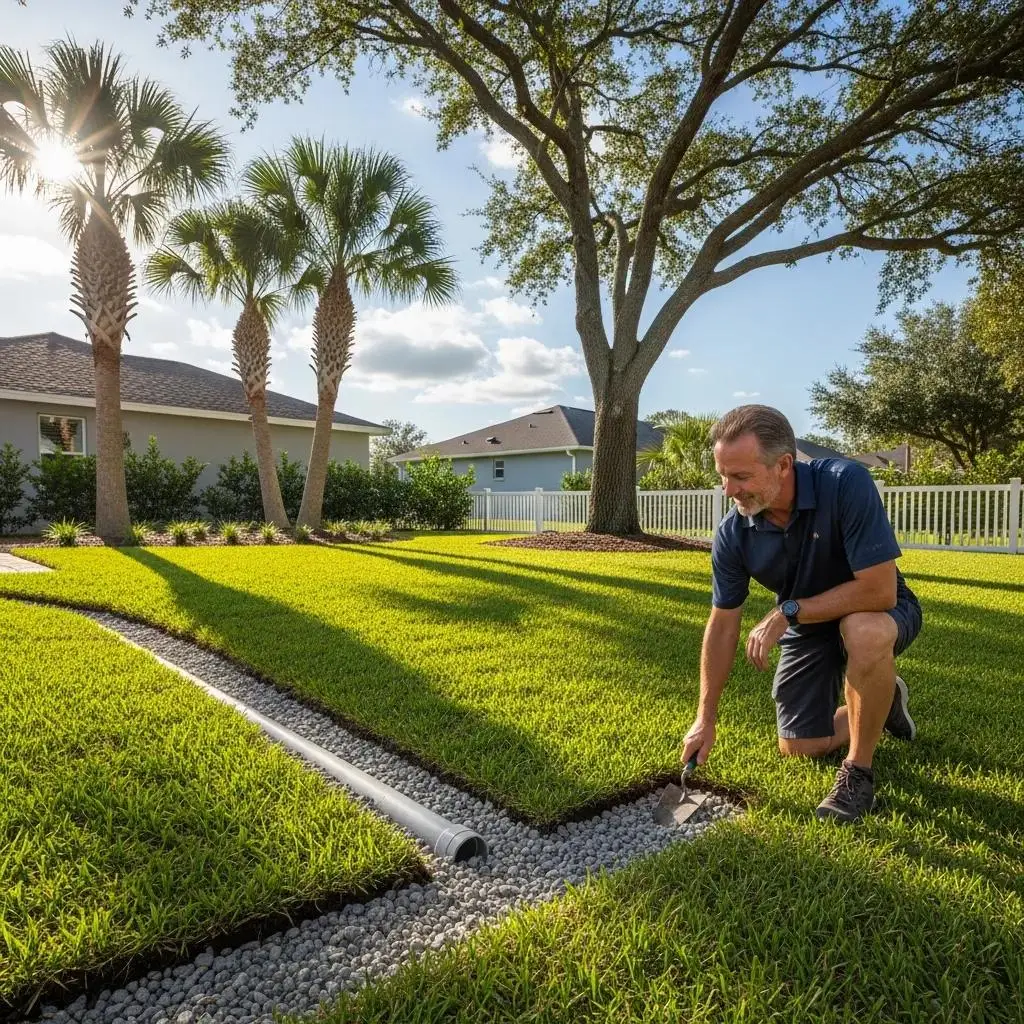
How We Fixed a Yard Drainage Issue in Just 15 Minutes — Expert Yard Drainage Solutions in Jacksonville, FL
Yard drainage trouble can quickly turn into a homeowner’s headache — flooding, erosion, even damage to structures. In Jacksonville, FL, sudden heavy rain often exposes weak or outdated drainage. In this piece we show how Arc Excavation, specialists in yard drainage, can diagnose and deliver a fast fix — sometimes in as little as 15 minutes. You’ll learn common causes of yard flooding, the quick excavation methods we use, the drainage systems available, short-term actions you can take, and how to request a free quote from Arc Excavation.
What Causes Yard Drainage Problems in Jacksonville, FL?
Most yard drainage problems in Jacksonville come from a mix of local soil types and weather. Knowing how those factors interact is the first step toward preventing recurring issues.
How Do Soil and Weather Affect Yard Flooding?
Soil type strongly affects how water moves across a yard. Sandy soils common here usually drain well, while clay holds water and can lead to standing pools. Add Jacksonville’s heavy rains and hurricane-season storms, and saturated ground has nowhere to go — which creates puddles, soggy lawns, and localized flooding.
What Are Common Signs of Poor Yard Drainage?
Watch for these early warning signs of drainage solutions trouble:
- Standing Water: Pools or puddles that don’t disappear within a day or two after rain.
- Erosion: Soil washing out of flower beds or down slopes, exposing roots or mulch.
- Pest Infestations: Mosquitoes and other pests breeding in stagnant water.
Spotting problems early helps you avoid costlier repairs later.
How Does Arc Excavation Provide Rapid Yard Drainage Solutions?
Arc Excavation focuses on fast, practical drainage fixes that suit Jacksonville’s conditions. Our goal is a dry, usable yard with minimal disruption — and a solution that lasts.
What Excavation Techniques Solve Yard Flooding Quickly?

For quick relief, we commonly use these proven excavation techniques:
- French Drains: Perforated pipe wrapped in gravel to gather and redirect subsurface water away from problem spots.
- Trench Drains: Surface channels placed at low points to collect runoff from driveways, patios, or slopes.
- Catch Basins: Collection points that capture excess water and feed it into an underground system.
Each approach is chosen to stop flooding now and reduce the chance it returns.
How Does Arc Excavation Ensure Efficient Drainage Repairs?
We follow a clear process to make sure repairs are effective:
- Assessment: A focused inspection to pinpoint where water collects and why.
- Implementation: We install the most appropriate drainage solution based on the assessment.
- Follow-Up Services: Post-install checks and any needed adjustments to keep the system working as intended.
That step-by-step approach delivers reliable results homeowners can count on.
What Types of Drainage Systems Does Arc Excavation Install?
Arc Excavation installs several drainage systems to match different yards and problems. Knowing your options helps you pick the right solution.
How Does a French Drain Installation Work in Jacksonville?
A French drain installation typically follows these steps:
- Trenching: We dig a trench in the area where water pools.
- Pipe Placement: A perforated pipe is set into the trench so water can enter it.
- Gravel Filling: We backfill with gravel to promote flow and reduce clogging.
When installed correctly, a French drain redirects water away from your yard and foundation.
What Are Trench Drains, Catch Basins, and Dry Wells?
Different systems solve different problems:
solve different problems:
| Drainage System | Description | Benefits |
|---|---|---|
| Trench Drains | Long, narrow channels that collect surface water | Great for driveways, patios, and other flat surfaces where water pools |
| Catch Basins | In-ground boxes that gather excess water and route it to piping | Stops localized flooding in low spots and connects to larger drainage systems |
| Dry Wells | Underground pits that temporarily store and disperse water into the ground | Reduces surface runoff and helps recharge soil without sending water off-site |
Choosing the right system depends on yard layout, soil, and how much water you’re dealing with.
Why Is Professional Yard Grading Essential for Drainage?
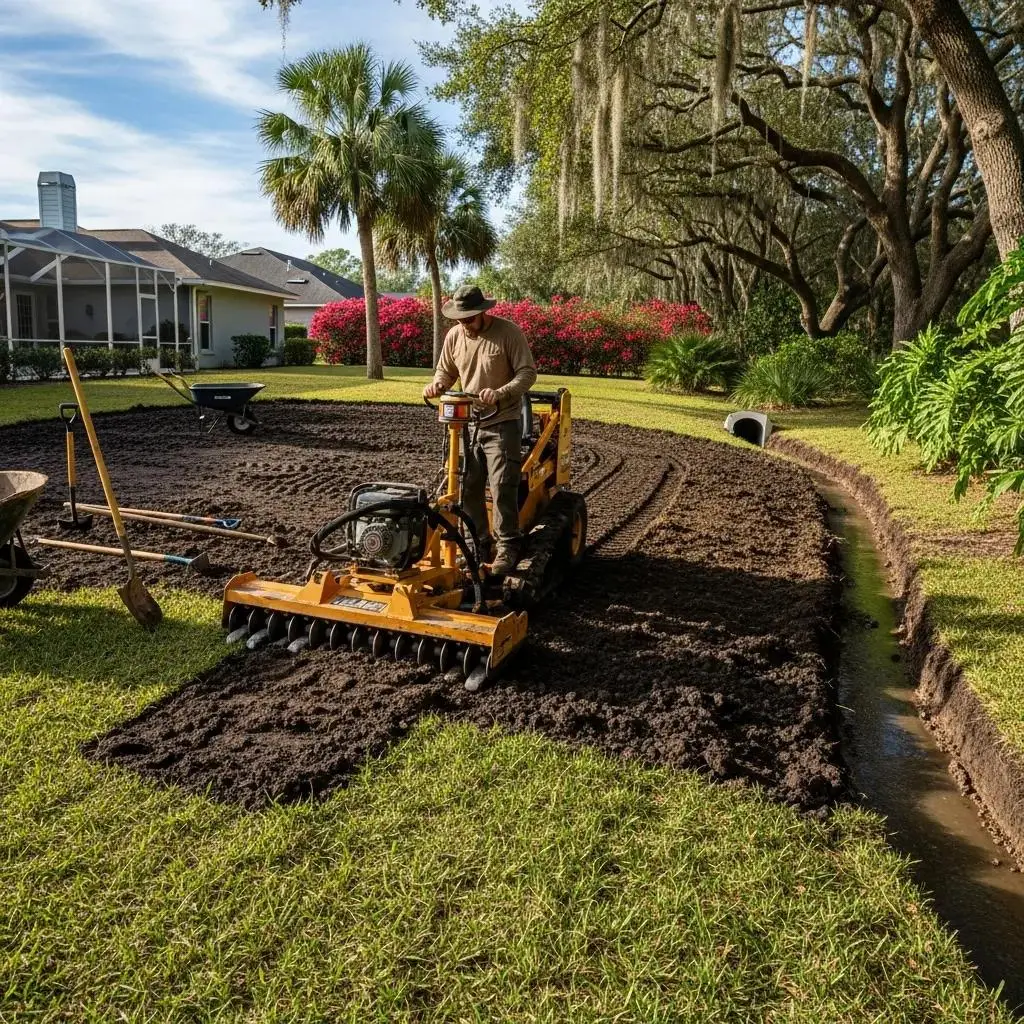
Grading sets the slope and contours that direct water away from your house. Done right, it prevents standing water and protects foundations and landscaping. Grading solutions will provide you with expert help in making sure this process is done correctly.
How Does Proper Yard Grading Prevent Flooding?
Proper grading makes water flow away from the home and toward safe discharge points. Common grading methods include:
- Sloping: Establishing a gradual grade away from the foundation so water drains downhill.
- Contouring: Shaping swales and gentle berms to guide runoff along planned paths.
When combined with drainage structures, grading keeps yards dry and stable.
When Should You Choose Professional Grading Over DIY?
DIY grading can work for minor adjustments, but call professionals when conditions are more complex. Look for these signs:
- Severe Drainage Issues: Persistent pooling or erosion that simple fixes don’t solve.
- Complex Yard Layouts: Multiple slopes, terraces, or hardscapes that require precise grading.
- Foundation Concerns: Any evidence of water near the foundation or foundation movement.
Professional grading reduces the risk of mistakes that can make drainage worse.
How Can Homeowners Quickly Fix Yard Flooding Before Professional Help?
When a storm hits, there are practical steps you can take to limit damage while you schedule pros.
What Are Effective DIY Yard Drainage Tips?
Try these temporary measures to control standing water:
- Clear Gutters and Downspouts: Remove debris so rain can flow through your system.
- Create Temporary Channels: Use a shovel to open a path for water to run to a safe area.
- Use Sandbags: Place sandbags around doors, low points, or other entry areas to block water.
These steps can reduce immediate risk while you arrange a permanent fix.
When Is It Time to Call Drainage System Contractors?
Call professionals when the problem goes beyond temporary measures. Key signs include:
- Flooding Persists: Water continues to collect after you’ve tried simple fixes.
- Signs of Erosion Appear: Soil washing away or exposed roots near landscaped areas.
- Foundation Issues Develop: Cracks, shifting, or moisture inside the crawlspace or basement.
Early intervention can prevent much larger repair bills down the road.
How to Get a Free Quote from Arc Excavation for Yard Drainage Solutions?
Requesting a quote from Arc Excavation is easy and helps you understand the best options for your property.
What Information Is Needed for an Accurate Drainage Quote?
To give an accurate estimate, we’ll ask for:
- Property Details: Yard size, layout, and any relevant features.
- Current Drainage Issues: A clear description of where water gathers and how often it happens.
- Contact Information: Your name and phone number so we can follow up.
With that info we can assess the situation and recommend the right solution for your yard.
How Does Arc Excavation Serve Jacksonville and Surrounding Areas?
Arc Excavation knows Jacksonville’s soils and storm patterns. We serve the city and nearby communities with local experience and practical solutions — installed on time and built to last. When you need reliable drainage work, we’re ready to help.
Frequently Asked Questions
What are the long-term benefits of installing a drainage system?
A properly installed drainage system prevents standing water, cuts erosion, and protects your landscaping and foundation. It improves soil health, creates a more usable outdoor space, and can boost property value. It also helps reduce mosquito breeding and other pest problems tied to stagnant water.
How often should I inspect my yard drainage system?
Inspect your drainage system at least twice a year — spring and fall are good times — and always after heavy storms. Look for standing water, clogged inlets, displaced gravel, or erosion around drains. Regular checks help catch small issues before they become expensive repairs.
Can landscaping affect yard drainage?
Yes. Plantings, trees, and hardscapes can change how water flows across your property. Dense plantings can help absorb water, while poorly placed patios or walkways may redirect water toward the house. Choose native, water-tolerant plants and plan hardscapes to move water away from foundations.
What should I do if my yard drainage system fails?
Start by removing visible debris from gutters and drains and check for obvious blockages. If water still pools or erosion worsens, call a professional for a full assessment. A contractor can determine whether the system needs repair, cleaning, or replacement to restore proper flow.
Are there eco-friendly drainage solutions available?
Absolutely. Rain gardens, permeable paving, and native-plant landscaping are effective, sustainable options. These solutions absorb and filter runoff, reduce strain on storm systems, and support local ecosystems while addressing drainage concerns.
How can I maintain my drainage system throughout the year?
Keep gutters, downspouts, and inlet grates clear of leaves and debris. After storms, check for displaced gravel, erosion, or standing water and fix issues promptly. Ensure landscaping doesn’t obstruct drainage paths. Regular maintenance keeps the system working and extends its life.
Conclusion
Good drainage protects your home and keeps your yard usable — especially in Jacksonville’s heavy rains. By understanding causes and choosing the right professional techniques, you can stop flooding and prevent future problems. Don’t wait for water damage to happen: reach out to Arc Excavation for a free quote and a drainage plan tailored to your property.