
New Document 702
Commercial Drainage Solutions in Daytona Beach — Expert Services, Costs, and Practical Guidance
Reliable commercial drainage in Daytona Beach protects buildings, prevents water damage, and helps businesses meet local codes. Providers handle new installations, scheduled maintenance, and emergency repairs. This article summarizes available services, integration with roofing and gutters, typical costs, and the value of local expertise.
Key Takeaways
- Commercial drainage systems in Daytona Beach prevent water damage and help businesses stay compliant with local codes.
- Typical services include installing and repairing drain lines, sump pumps, and commercial-grade gutters to control runoff.
- Emergency teams usually arrive within 24–72 hours to address major flooding or system failures.
- Coordinating roofing, siding, and gutter work with drainage design improves overall water management and foundation protection.
- Routine inspections and preventative maintenance lengthen system life and reduce costly emergency repairs.
- Installation costs vary by material, labor, and job complexity in the Daytona Beach area.
- Compare scope, material quality, and contractor reputation when evaluating service packages.
- Local specialists offer practical maintenance checklists and ensure installations meet regional regulations.
- Regular cleaning, visual checks, and performance testing keep commercial drainage systems operating reliably.
What Are the Key Commercial Drainage Services Offered in Daytona Beach?
Commercial drainage providers in Daytona Beach deliver a range of targeted services to keep properties dry and code-compliant. These offerings are designed to manage rainwater and runoff effectively so businesses avoid operational disruptions and structural problems.
Installation and Repair Services for Commercial Properties
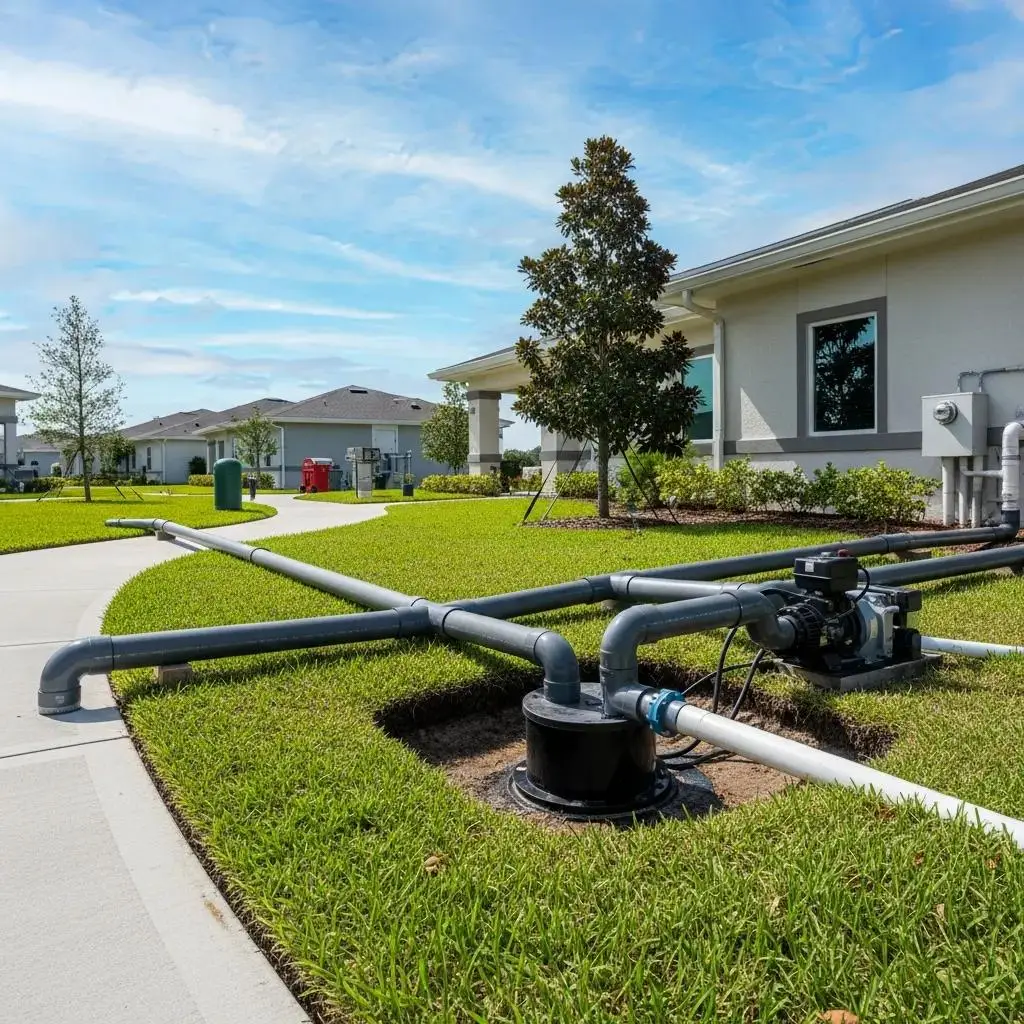
Installation and repair focus on durable, high-capacity systems: drain pipes, trench drains, sump pumps, and large commercial gutters. Contractors correct clogs, leaks, and mechanical faults promptly to prevent escalation and avoid repeat problems.
Emergency Drainage Repair: How Quickly Can Experts Respond?
Emergency crews typically respond within 24–72 hours, depending on severity and availability. Fast response limits damage and downtime; commercial properties should maintain an emergency contact and plan.
How Do Roofing, Siding, and Gutter Services Integrate with Drainage Solutions?
Roofing, siding, and gutters are complementary elements of a building’s water-management system. When these trades coordinate with drainage planning, water is guided safely away from structures, reducing erosion, mold risk, and foundation stress.
Benefits of Combining Roofing and Gutter Installation with Drainage Systems

Upgrading roofs and gutters alongside drainage directs water away from foundations, reduces future repairs, and prevents moisture issues like mold and rot. Coordinated projects can be more cost-effective than separate fixes.
Maintaining Effective Water Management Through Integrated Services
To keep systems working together, schedule routine inspections and basic maintenance for both roofing and drainage components. Proactive checks catch small problems before they escalate, extend equipment life, and ensure all parts—from roof flashing to outlet drains—perform as a unified system.
What Is the Cost of Commercial Drainage Installation in Daytona Beach?
Knowing typical cost factors helps businesses budget for drainage projects. Prices depend on system complexity, the materials specified, site conditions, and the labor required to complete the work safely and to code.
Factors Influencing Pricing for Drainage Solutions
Material choice drives cost—commercial-grade pipes and fittings cost more but last longer. Skilled labor, special equipment, excavation, permitting, or grading increase prices. Evaluate lifecycle value, not just upfront cost, when selecting materials and contractors.
Comparing Cost Estimates and Service Packages
When evaluating proposals, businesses should weigh:
- Service Scope: Confirm what the quote includes—materials, labor, testing, cleanup, and permits.
- Quality of Materials: Choose materials suited to commercial load and local conditions for better durability.
- Reputation of the Contractor: Check experience, references, and reviews to verify consistent, reliable work.
Careful comparison of those elements helps you select the best value rather than the lowest price.
How Can Local Daytona Beach Experts Support Drainage Maintenance and Compliance?
Local contractors understand regional weather patterns, soil conditions, and municipal permit requirements—knowledge that helps ensure systems are both effective and compliant. Their practical advice and on-site familiarity reduce the risk of costly oversights.
Routine Inspection and Maintenance Checklists for Commercial Drainage
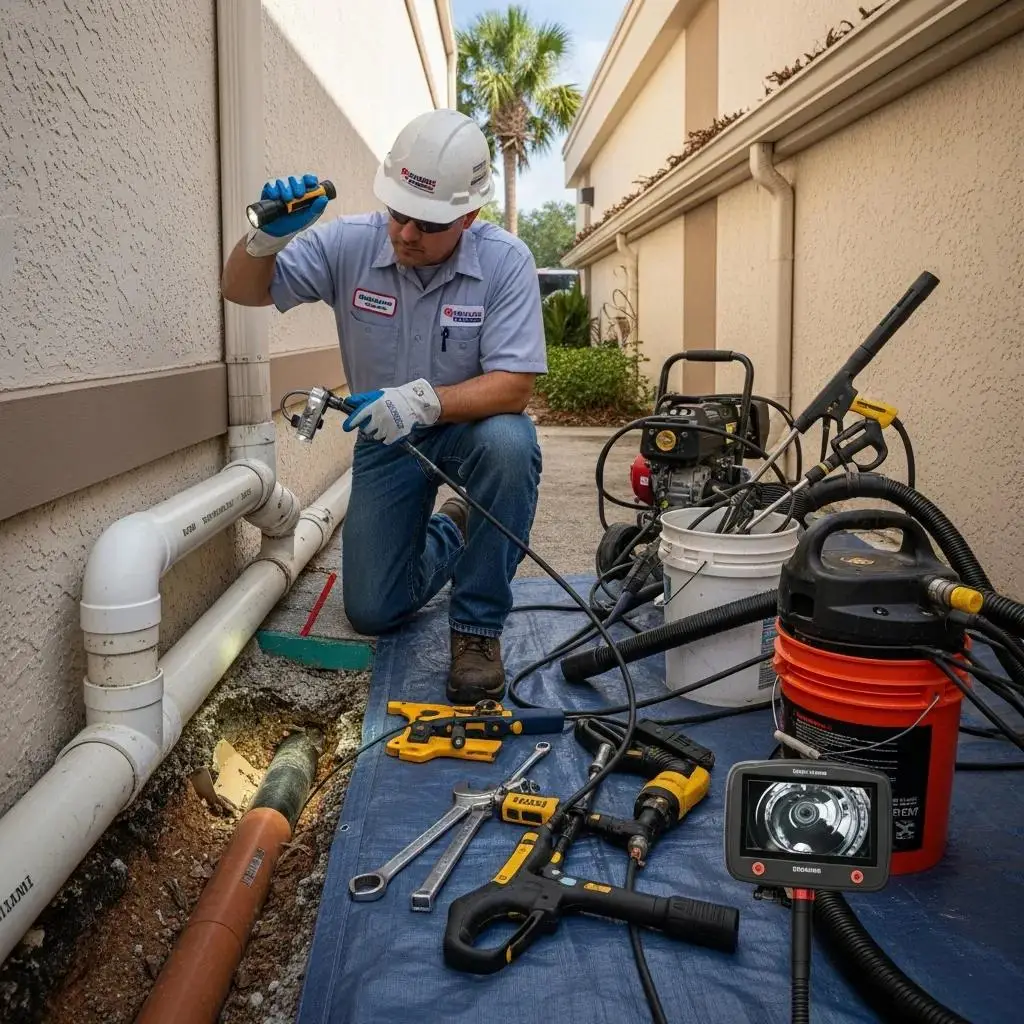
A practical maintenance checklist for commercial systems should include:
- Visual Inspections: Scan for cracks, displaced grates, pooling water, or signs of erosion around drains.
- Cleaning: Remove leaves, sediment, and debris from gutters, catch basins, and outlet pipes to prevent clogs.
- Testing: Run water tests after maintenance or storms to confirm proper flow and identify hidden blockages.
Following these steps helps avoid emergency repairs and supports regulatory compliance.
Understanding Local Regulations and Permits for Drainage Systems
Permits and local codes dictate installation methods, outlet locations, and stormwater handling requirements. Working with local experts streamlines permitting, ensures installations meet regulations, and reduces the risk of fines or forced rework.
| Service | Cost | Features |
|---|---|---|
| Drainage Installation | $2,500 – $8,000 | Includes materials and labor for new systems |
| Emergency Repair | $500 – $1,500 | Quick response for urgent drainage issues |
| Routine Maintenance | $200 – $700 | Regular inspections and cleaning services |
(Article content provided without external links.)
Frequently Asked Questions
What are the signs that a commercial drainage system needs maintenance?
Look for persistent pooling around the building, slow-moving gutters or drains, fresh cracks or erosion near foundations, musty odors, or visible mold growth. These are common warning signs that the system isn’t moving water properly and should prompt a professional inspection.
How often should commercial drainage systems be inspected?
Inspect systems at least twice a year, and always after heavy storms. Properties in flood-prone or high-rainfall areas may need more frequent checks to catch issues early and avoid operational interruptions.
What types of materials are commonly used in commercial drainage systems?
Common commercial materials include PVC and HDPE for corrosion resistance and flexibility, plus concrete and metal for heavy-duty applications. Material selection depends on load, environment, and longevity requirements—consult a specialist to match the right product to your site.
Can businesses perform their own drainage maintenance?
Businesses can handle basic tasks like clearing debris from gutters and surface drains, but professional technicians should perform inspections, system testing, and repairs. Experts have the tools and training to detect hidden problems and ensure compliance with codes.
What are the potential consequences of neglecting drainage maintenance?
Neglect can lead to property damage, mold, structural issues, flooding that disrupts operations, and potential fines for code violations. Regular upkeep protects assets and prevents costly emergency work.
How can businesses choose the right drainage contractor?
Verify experience with commercial projects, check references and reviews, confirm licensing and insurance, and request detailed estimates that specify scope, materials, and timelines. Good communication and responsiveness are also key indicators of a reliable contractor.
Conclusion
Investing in commercial drainage in Daytona Beach protects your property, reduces future repair costs, and keeps you compliant with local requirements. Integrating drainage with roofing and gutter work offers better long-term performance, and routine maintenance prevents surprises. Contact our team today to discuss tailored drainage options that fit your property and budget.
Check out our Youtube Video: https://youtube.com/shorts/Pq3tCEb8jBo?feature=share