
Safe and Efficient Underground Utility Excavation Services
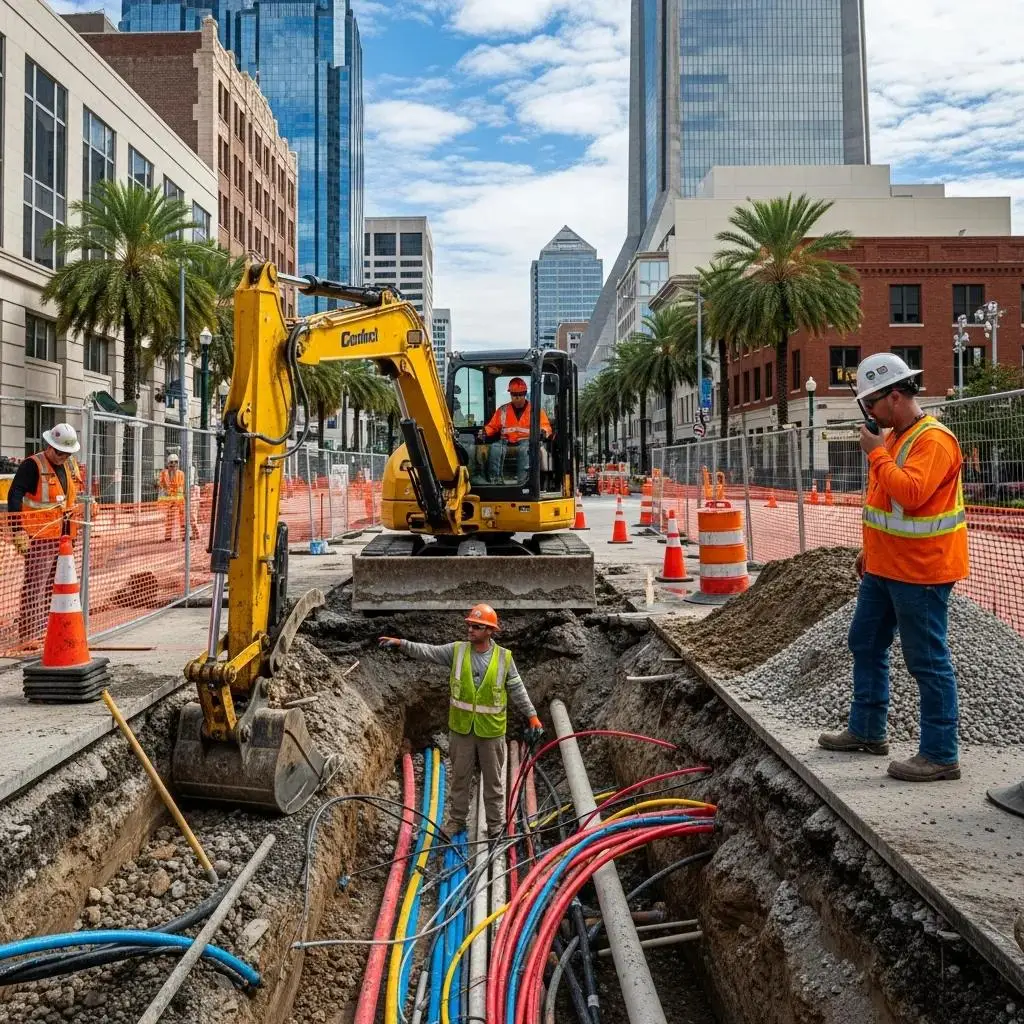
Underground Utility Excavation in Jacksonville, FL — Safe, Precise, Professional Services
Underground utility excavation in Jacksonville, FL, keeps the systems your community depends on running smoothly. This guide walks through the core services contractors provide, why hiring experienced crews matters, and the modern techniques that improve safety and accuracy. You’ll get a clear look at the technologies used, the permitting and compliance considerations, and how both residential and commercial projects benefit from professional excavation practices as the city grows.
What Are the Key Underground Utility Excavation Services Offered in Jacksonville?
In Jacksonville, contractors commonly deliver several essential excavation services: water line work, sewer installation, electrical conduit and cable placement, and storm drainage systems. Each service has a specific role in protecting infrastructure and public safety.
| Service | Description | Benefits |
|---|---|---|
| Water Line Excavation | Excavation to install, replace, or repair potable water supply pipes. | Maintains reliable water delivery and reduces leak risks. |
| Sewer Line Installation | Digging and placing sewer piping and related connections. | Prevents backups and supports proper sanitation. |
| Electrical Installations | Trenching and directional methods to route power lines and conduits. | Promotes safe, efficient power distribution with minimal disruption. |
| Storm Drain Systems | Installing drainage channels, pipes, and catch basins to manage runoff. | Helps control flooding and protects roads and property. |
How Do Water and Sewer Line Excavation Services Ensure Safety and Precision?
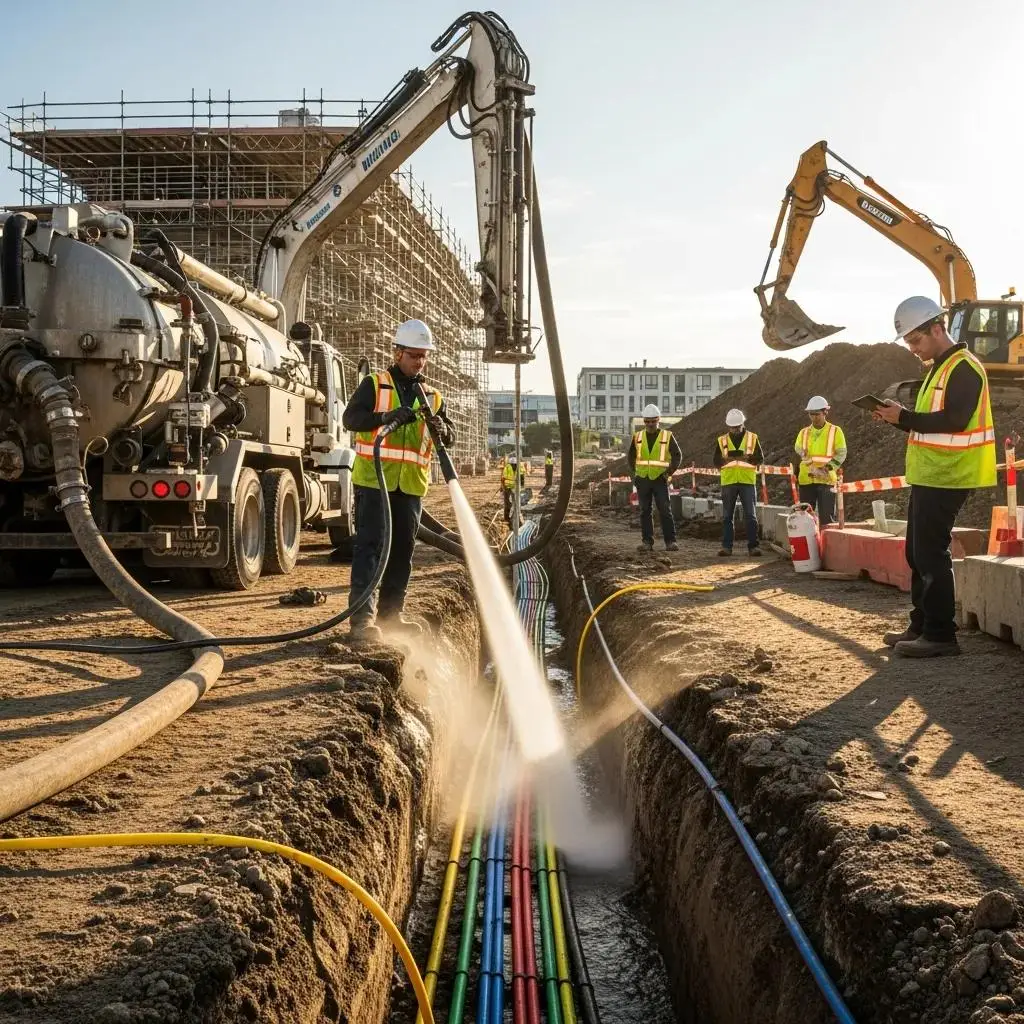
Safety and accuracy start before the first shovel hits the ground. Utility locating prevents strikes on existing lines, while specialized methods—like hydro excavation—let crews remove soil precisely around sensitive utilities. Contractors also follow local codes and the Florida One Call process to stay compliant and keep crews and the public safe.
What Specialized Techniques Are Used for Electrical and Storm Drain Installations?
Electrical and storm drain projects often use targeted techniques to reduce surface impact and speed installation. Directional boring lets teams place cables or conduit beneath streets and sidewalks without long open trenches. For tight or sensitive digs, hydro excavation offers a non-destructive alternative that lowers the risk of collateral damage to nearby infrastructure.
Why Choose Professional Excavation Contractors in Jacksonville, FL?
Professional contractors bring training, experience, and specialized equipment that improve outcomes on every job. They understand local permitting, safety standards, and the best methods to protect existing utilities—and they can manage unexpected site conditions with proven processes.
How Do Certified Operators and Advanced Equipment Enhance Excavation Quality?
Certified operators follow industry best practices and know how to match equipment to the task—whether it’s an excavator, trenching machine, or vacuum-hydro unit. That combination of skill and the right tools leads to cleaner, faster work and fewer on-site incidents.
What Local Jacksonville Regulations and Permits Must Contractors Comply With?
Before work begins, contractors must secure the appropriate permits and meet local standards designed to protect the public and the environment. This includes coordinating with utility owners through Florida’s One Call system (call 811) so buried facilities are marked and avoided during excavation.
How Does Utility Locating in Jacksonville Prevent Damage and Ensure Project Success?
Locating utilities is a foundational step: accurate maps and field locating stop costly hits, keep crews safe, and prevent project delays. Good locating practices save time and money by reducing rework and avoiding service outages.
What Technologies Are Employed in Utility Locating, Such as GPR and Electromagnetic Methods?
Ground penetrating radar (GPR) gives visual subsurface images, and electromagnetic locators detect energized or conductive lines—both commonly used together for greater certainty. These tools help crews identify the position and depth of buried utilities before excavation begins.
Why Is Calling 811 Before Excavation Critical in Jacksonville?
Calling 811 connects you with local utilities so they can mark lines ahead of digging. In Florida, this process is required and it’s one of the simplest steps to prevent accidents, service interruptions, and fines.
What Are the Differences Between Commercial and Residential Excavation Services in Jacksonville?
Commercial and residential jobs often differ by scale, complexity, and stakeholder coordination. Knowing those differences helps you choose the right contractor and plan appropriately.
How Are Commercial Excavation Projects Managed for Scale and Complexity?
Commercial projects typically require detailed planning, phased scheduling, and coordination across multiple trades and agencies. Contractors managing these jobs use project management practices and site controls to keep work on time and compliant with stricter permitting and inspection regimes.
What Unique Considerations Are There for Residential Excavation Projects?
Residential work tends to be smaller but more sensitive to homeowner concerns—landscaping, access, and noise matter. Reliable contractors communicate clearly, protect the property, and address homeowner questions about impacts and timelines.
How Do Advanced Excavation Methods Like Hydro Excavation Improve Safety and Efficiency?
Advanced methods such as hydro excavation use pressurized water and vacuum systems to remove soil precisely. That reduces the risk to underground utilities and often speeds up jobs where hand digging or traditional trenching would be slower and more disruptive.
What Are the Benefits of Hydro Excavation Compared to Traditional Trenching?
Hydro excavation lowers the chance of utility damage, reduces manual labor, and often shortens project schedules. It’s also gentler on the surrounding environment—useful in urban settings or near sensitive landscaping.
How Does Directional Boring Complement Underground Utility Installation?

Directional boring allows crews to install pipes and conduits below obstacles with minimal surface disturbance. For roads, sidewalks, and landscaped areas, it preserves the surface while keeping installations efficient and reliable.
What Safety Protocols and Compliance Measures Are Essential for Excavation Projects in Jacksonville?
Robust safety protocols and regulatory compliance protect workers and the public. Following these measures prevents incidents and helps projects finish on schedule and on budget.
How Do OSHA Standards and Local Permits Ensure Safe Excavation Practices?
OSHA standards set expectations for safe trenches, protective systems, and worker training. Local permits add another layer—inspections and site-specific solutions ensure work meets community and environmental standards.
What Are Best Practices for Damage Prevention and Worker Safety on Site?
Best practices include ongoing safety training, thorough pre-dig assessments, proper utility locating, and using the right protective equipment. Regular site inspections and clear communication among crews further reduce risk and keep projects moving smoothly.
Frequently Asked Questions
What Should I Look for When Hiring an Excavation Contractor in Jacksonville?
Check experience with similar projects, proper licensing, and insurance. Read reviews and ask for references, confirm they handle permitting and 811 coordination, and inquire about safety protocols and the equipment they use. A trustworthy contractor will provide a clear estimate and timeline and explain potential risks up front.
How Can I Prepare My Property for Excavation Work?
Clear the work area of furniture, toys, and fragile landscaping. Let neighbors know about expected noise or access changes. Make sure all underground utilities are marked by calling 811, and discuss any special property concerns with your contractor so they can plan accordingly.
What Are the Environmental Considerations for Excavation Projects?
Contractors should control erosion, manage stormwater runoff, and limit disturbance to habitats. Common measures include silt fences, sediment controls, proper material disposal, and recycling where possible. Complying with local environmental rules helps protect both the site and surrounding areas.
What Is the Typical Timeline for an Excavation Project?
Timelines vary: small residential digs might finish in days, while larger commercial jobs can take weeks or months. Permitting, utility locating, site access, and weather all affect schedules. Discuss timing with your contractor to set realistic expectations before work begins.
How Do Weather Conditions Affect Excavation Work?
Rain can create unsafe, muddy conditions and slow machinery; extreme heat affects worker safety and material handling. Contractors monitor forecasts and may adjust plans or add safety measures to address weather impacts. Stay in touch with your contractor about possible delays.
What Are the Costs Associated with Underground Utility Excavation?
Costs depend on project size, site conditions, materials, and required permits. Labor, equipment, and unexpected complications—like unmarked utilities or difficult soils—can raise the price. Get multiple quotes and a detailed estimate that outlines potential variables to avoid surprises.
Conclusion
Underground utility excavation in Jacksonville demands careful planning, experienced crews, and the right technology. Choosing professionals who follow permitting rules, use modern methods, and prioritize safety reduces risk and improves results. If you’re planning work on your property or site, contact us to discuss a tailored excavation solution and next steps.