
Discover Eco-Friendly Hardscape Materials for Green Designs
Eco-Friendly Hardscape Materials for Sustainable Designs: Benefits, Types, and Installation Solutions
Eco-friendly hardscape materials are smart choices for your landscape, selected for their minimal environmental impact, lasting performance, and practical advantages like better stormwater management and reduced heat absorption. Here in Florida, with our intense rain, coastal influences, and strong sun, choosing materials that are permeable, contain recycled content, and offer superior durability directly helps cut down on runoff, lessen urban heat island effects, and extend the life of your outdoor spaces. This guide will walk you through what sustainable hardscape materials are, why they’re so important for Florida properties, and how they work within systems that manage water and create resilient landscapes. We’ll define key criteria, compare top material options, detail integration strategies with native plants and drainage, and highlight the economic and aesthetic benefits to help homeowners and developers make informed decisions. ARC Excavation Inc. is your trusted local contractor, experienced in eco-friendly hardscaping installations, offering sustainable choices and complete project management. If you’re ready for a quote, we invite you to reach out through ARC Excavation’s customer channels. The following sections will dive deeper into sustainability criteria, material types, design and drainage guidance, value propositions, ARC Excavation’s installation approach, and local regulations and incentives relevant to Florida projects.
What Are Sustainable Hardscape Materials and Why Do They Matter?
Sustainable hardscape materials are building components chosen for key features like permeability, recycled content, low embodied carbon, and long-term durability. They actively work to reduce runoff, conserve precious resources, and help regulate local microclimates. The way they deliver these benefits is straightforward: permeable surfaces allow water to soak in, recycled aggregates lessen the need for new raw materials, and reflective or porous options lower surface temperatures and filter pollutants from stormwater. These qualities are especially crucial in Florida, where frequent heavy rainfall and coastal runoff can worsen flooding and spread pollutants. Sustainable hardscapes effectively reduce these risks while also cutting down on maintenance and replacement cycles. Understanding these criteria empowers property owners to select materials that meet their performance goals and regulatory needs, all while building a more resilient landscape. The next subsections will explore the specific mechanisms behind these benefits and the positive environmental outcomes you can expect from hardscaping services practices.
How Do Eco-Friendly Hardscape Materials Support Sustainable Design?
Eco-friendly hardscape materials actively support sustainable design by boosting water infiltration, minimizing resource extraction, and moderating surface temperatures through smart material choices and construction methods. Permeable pavers and permeable concrete allow stormwater to flow through joints and bedding layers into a permeable base, which then recharges groundwater instead of creating concentrated runoff, significantly improving stormwater management. Recycled materials like crushed concrete and reclaimed stone reduce embodied carbon by reusing existing resources and cutting down on quarrying and transportation impacts, perfectly aligning with broader sustainability goals. Together, these approaches create landscapes that require less upkeep, use fewer raw materials over time, and integrate more effectively with natural vegetation and engineered drainage systems.
What Environmental Benefits Do Green Hardscaping Materials Provide?

Green hardscaping materials deliver numerous measurable environmental benefits, including significantly reduced stormwater runoff, enhanced groundwater recharge, lower pollutant loads, and decreased surface temperatures that effectively combat urban heat island effects. Less runoff means a smaller volume and slower velocity of stormwater leaving your property, which reduces erosion and eases stress on urban sewer systems, all while permeable systems trap sediments and hydrocarbons. Improved groundwater recharge supports vital baseflows and local aquifers, a critical factor in Florida’s coastal and karst-prone regions where aquifer health directly impacts water supply and ecosystem resilience. Collectively, these outcomes provide both ecological advantages and tangible cost savings through less flood damage and reduced needs for intensive stormwater infrastructure.
Research indicates that permeable pavement systems are highly effective for stormwater management and improving water quality.
Permeable Pavement for Stormwater Management and Water Quality
This paper provides a comprehensive review of permeable pavement applications for various purposes, with a specific focus on its role in drainage systems, stormwater management, and water quality enhancement.
Permeable pavement and stormwater management systems: a review, HM Imran, 2013
Eco-friendly hardscaping provides these essential environmental services through specific material properties and thoughtful design choices, which naturally leads us to compare the top material options ideal for Florida.
Which Types of Eco-Friendly Hardscape Materials Are Best for Florida?
Selecting the right materials for Florida means finding a balance between permeability, resistance to corrosion and salt, durability in our wet climate, and a visual appeal that fits local aesthetics. Our top recommendations include permeable pavers, recycled aggregates, reclaimed stone, and robust recycled rubber products. Each choice offers distinct sustainable advantages: permeable pavers excel at infiltration and stormwater detention, recycled aggregates significantly reduce embodied carbon, reclaimed stone and brick provide beautiful, low-impact reuse, and recycled rubber offers lightweight, permeable surfaces perfect for play areas and pathways. Your selection should always match your site’s specific needs—driveways, for instance, demand stronger interlocking systems and thicker bases, while patios and walkways can benefit from finer-grained permeable units and nearby rain gardens. The table below compares these materials and highlights their best uses for Florida’s unique conditions.
A quick comparison of material attributes for Florida applications.
| Material | Sustainable Advantage | Best Use / Value |
|---|---|---|
| Permeable pavers (concrete, interlocking, plastic grid) | Excellent infiltration, easy modular replacement | Driveways, parking areas, pathways where runoff control is essential |
| Recycled concrete aggregate | Lower embodied carbon, robust sub-base option | Base layers, crushed aggregate for structural support and drainage |
| Reclaimed stone and brick | Preserves embodied energy, offers a durable finish | Patios, edging, accent walls that embrace historic or natural beauty |
| Recycled rubber mulch and paving | Lightweight, durable, porous options | Play areas, flexible paths, soft-surface overlays with drainage benefits |
What Are Permeable Pavers and How Do They Improve Drainage?
Permeable pavers are specialized paving units designed with open joints or porous materials that allow water to pass directly through the surface and into a permeable base below, effectively reducing surface runoff and boosting infiltration. Their typical construction involves permeable units or interlocking blocks with aggregate-filled joints, all laid over a graded permeable base and sub-base that stores and slowly releases water. This design significantly improves on-site detention and groundwater recharge. Proper installation demands careful attention to base depth, grading, compaction, and geotextile separation to prevent fine particles from migrating and clogging the system. Florida’s unique soils often require thicker bases and consideration for seasonal high water tables. Practically speaking, permeable pavers reduce peak runoff, filter pollutants, and integrate seamlessly with bioswales and infiltration trenches to create comprehensive, distributed stormwater management systems.
The effectiveness of pervious pavers in mitigating surface runoff has been a subject of detailed study, with specific instances used to demonstrate their performance.
Evaluation of Pervious Pavers for Surface Runoff Mitigation
The primary objective of this investigation was to ascertain the extent to which pervious pavers effectively reduce surface runoff; the instance depicted in Figure 3 was selected to exemplify this process.
Field evaluation of permeable pavement systems for improved stormwater management, DB Booth, 1999
How Are Recycled Hardscaping Products Used in Sustainable Designs?
Recycled hardscaping products—like crushed recycled concrete, reclaimed brick, and recycled rubber—are vital for reducing the need for new material extraction while still providing durable structural or finished surfaces in sustainable designs. Crushed recycled concrete is frequently used as a sub-base or aggregate for permeable systems, offering both structural support and excellent drainage while significantly lowering embodied carbon compared to virgin aggregates. Reclaimed brick and stone serve as attractive surfacing or edging elements, preserving historic character and diverting waste from landfills, though careful sourcing and consistent sizing are key for long-term durability. Recycled rubber provides resilient surfacing for play and seating areas and can be combined with permeable bases to maintain water permeability while offering shock absorption and slip resistance.
Recycled aggregates, including crushed concrete and bricks, have proven valuable for creating permeable road base layers.
Recycled Aggregates in Pavement Base Layers for Permeable Applications
Application of Recycled Concrete Aggregates and Crushed Bricks in Permeable Concrete Road Base Layers
Application of recycled concrete aggregates and crushed bricks on permeable concrete road base, 2021
Careful sourcing and quality control for recycled materials are crucial for optimal performance, which naturally leads us to explore drainage features with planting and drainage features.
How Can Eco-Friendly Hardscape Materials Be Integrated into Sustainable Outdoor Designs?
Successfully integrating eco-friendly hardscape materials into a cohesive sustainable design means thoughtfully combining permeable surfaces, proper grading, native plantings, and engineered drainage so that every component enhances water management and ecological function. The core design principle is to view hardscapes, soils, and vegetation as interconnected elements: permeable paving reduces runoff, native plant rain gardens absorb overflow and filter pollutants, and correctly sized sub-bases store and slowly infiltrate stormwater. Implementation also considers microclimate benefits: lighter-colored, permeable materials reduce heat absorption, while nearby vegetation provides cooling shade and evapotranspiration. Practical layout involves strategically placing high-use impermeable areas away from infiltration zones, connecting permeable systems to bioswales, and designing accessible maintenance points to ensure long-term permeability.
What Role Do Native Plants Play in Sustainable Hardscaping?
Native plants are perfect partners for hardscape systems, enhancing infiltration, stabilizing soils, supporting vital pollinators, and significantly reducing irrigation needs compared to exotic, high-maintenance species. In Florida, we select salt-tolerant and drought-tolerant native grasses, shrubs, and canopy trees that can handle our episodic inundation and coastal influences. Their robust root structures improve soil porosity and help retain sediments and contaminants before water reaches infiltration systems. We strategically place native plantings next to permeable paving and within rain gardens and bioswales to intercept surface flow and provide pollutant uptake through natural vegetative filtration. Maintenance is typically much lower when plant selections align with the local climate and hydrology, resulting in resilient landscapes that work seamlessly with engineered drainage.
How Do Drainage Solutions Enhance Eco-Friendly Hardscape Performance?
Complementary drainage solutions—such as French drains, infiltration trenches, bioswales, and subsurface detention—significantly boost the performance of eco-friendly hardscapes by providing directed conveyance, temporary storage, and effective filtration of stormwater before it leaves your property. French drains and infiltration trenches work wonderfully beneath or alongside permeable surfaces to guide excess water into storage zones, while bioswales use engineered soils and vegetation to slow flows and capture sediments and pollutants. Each option is chosen based on your site’s specific slope, soil permeability, and water table depth. Integration details include careful overflow routing, sediment capture devices, and easily accessible maintenance points to ensure long-term function. Regular upkeep, like joint sweeping for permeable pavers and sediment removal from swales, preserves permeability and guarantees your design performs as intended over time.
Here’s an actionable pairing table for design elements and recommended materials to guide your on-site decisions.
| Design Element | Required Component | Recommended Material / Practice |
|---|---|---|
| Rain garden | Engineered soil mix and berm | Native wet-tolerant plants + permeable edging |
| Permeable driveway | Permeable pavers + deep base | Interlocking permeable pavers + recycled aggregate base |
| Bioswale | Grassed channel with check dams | Native grasses + infiltration trenches |
| Play path | Shock-absorbing, porous surface | Recycled rubber paving over a permeable base |
What Are the Economic and Aesthetic Benefits of Using Green Hardscaping Materials?
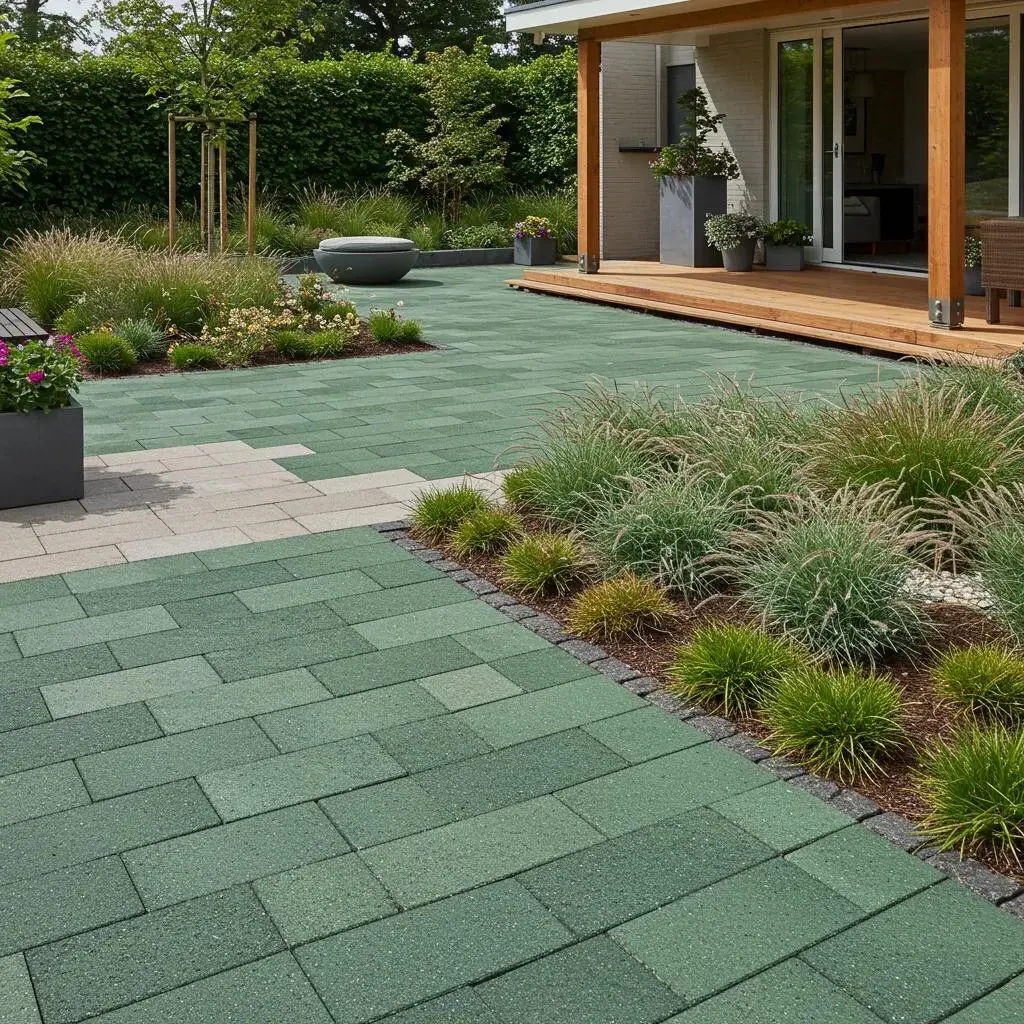
Green hardscaping materials offer compelling economic benefits through reduced stormwater fees, lower long-term maintenance, and extended material lifespans, all while providing aesthetic versatility that can significantly boost curb appeal and property value. Lifecycle cost comparisons often reveal that while permeable systems might have higher upfront costs, they lead to lower total ownership costs thanks to less need for stormwater infrastructure, fewer repairs, and reduced surface replacements. From an aesthetic standpoint, recycled stone, creative permeable paver patterns, and mixed-material palettes empower designers to craft distinctive looks that beautifully blend natural and formal styles, all while signaling a commitment to sustainability to potential buyers. Quantifying these positive outcomes—reduced runoff, fewer maintenance cycles, and enhanced visual appeal—helps justify your investment and supports smart project-level decision-making.
This introductory benefits table quantifies outcomes and value attributes for a quick comparison.
| Benefit | Measured Attribute | Outcome / Value |
|---|---|---|
| Reduced runoff | Percent decrease in peak runoff | Less erosion and reduced downstream flooding |
| Lower maintenance | Frequency of repairs and sweeping | Significant reduction in annual maintenance costs |
| Increased resale appeal | Buyer preference for sustainable features | Higher marketability and potential price premium |
| Longevity | Material lifespan vs. conventional alternatives | Fewer replacements and lower lifetime cost over time |
How Do Sustainable Hardscape Materials Increase Property Value?
Sustainable hardscape materials boost property value by enhancing functional resilience, significantly reducing future repair risks from flooding, and appealing strongly to buyers who prioritize environmental performance and low-maintenance landscapes. Functional improvements—like decreased flood risk from permeable driveways and integrated drainage—translate into both perceived and actual reductions in ownership costs, which is incredibly attractive in flood-prone or high-storm regions. Current market trends clearly show a growing buyer preference for sustainability features, meaning that well-executed green hardscaping can truly enhance your curb appeal and create a competitive edge at resale. Clear documentation of your system’s performance and maintenance plans further reassures buyers and helps realize that added value.
What Unique Aesthetic Options Do Eco-Friendly Materials Offer?
Eco-friendly materials open up a vast palette of textures, colors, and installation patterns, allowing you to blend reclaimed elements with modern permeable units to craft truly compelling visual narratives in your landscape design. Reclaimed stone and brick introduce a beautiful patina and historic character, while contemporary permeable pavers come in diverse shapes and finishes that can mimic natural stone or create crisp, modular patterns. Designers can creatively combine materials—perhaps reclaimed stone edging with interlocking permeable pavers and planted joints—to create striking contrasts of texture and tone that feel both natural and intentionally designed. These aesthetic options significantly expand the design vocabulary available to homeowners and designers who seek both beauty and sustainable performance.
Here’s a quick summary of the key economic and aesthetic takeaways from this section.
- Lower lifecycle costs: Sustainable materials often lead to reduced long-term maintenance and replacement expenses.
- Market appeal: Green hardscapes can significantly enhance property desirability among eco-conscious buyers.
- Design flexibility: Recycled and permeable products allow for incredibly creative combinations of texture and color.
These combined benefits strongly support choosing eco-friendly hardscaping services for both functional and visual returns, explaining why specialists prioritize integrated solutions during project planning.
How Does ARC Excavation Inc. Implement Eco-Friendly Hardscape Materials for Sustainable Projects?
ARC Excavation Inc. delivers comprehensive hardscaping services that expertly integrate permeable paver installation, retaining wall construction, drainage solutions, and native plant integration, all specifically tailored for sustainable outcomes. As a leading regional contractor serving both residential and commercial clients across Florida, ARC strongly emphasizes sustainable options—including permeable pavers, recycled aggregates, and native plantings. We manage your projects from initial permitting through final installation, ensuring full compliance and effective, lasting performance. ARC partners with trusted material suppliers to specify high-quality products perfectly suited for local conditions. Our project management covers meticulous grading, thorough sub-base preparation, and seamless coordination of drainage and landscaping trades to deliver truly cohesive systems. For property owners interested in sustainable hardscaping, ARC offers free quotes and expert consultative planning to help align your material choices with your specific performance goals.
What Sustainable Practices Does ARC Excavation Use in Hardscaping?
ARC Excavation employs practices that consistently minimize environmental impact and maximize system performance. This includes specifying permeable paving systems with carefully engineered sub-bases, sourcing recycled aggregate whenever appropriate, and seamlessly integrating drainage features like bioswales and infiltration trenches. Our company emphasizes precise grading and strict compaction controls to maintain optimal infiltration pathways and prevent premature clogging. We also utilize low-impact equipment and efficient waste-reduction workflows to limit site disturbance and minimize material disposal. By coordinating native planting installation with hardscape elements, ARC ensures that vegetative systems perfectly complement infiltration and pollutant uptake. These practical measures effectively reduce runoff, lower material waste, and significantly increase the long-term functionality of all installed systems.
Can ARC Excavation Provide Customized Eco-Friendly Hardscape Solutions?
Absolutely! ARC Excavation provides tailored solutions, perfectly scaled for both residential and commercial projects. We offer extensive customization in material selection, paver patterns, retaining wall systems, and drainage assemblies to precisely meet your site-specific constraints and aesthetic goals. Our customization process begins with a thorough site assessment and collaborative design, moves through permitting and detailed material specification (including options from our trusted partner brands), and culminates in phased installation with clear maintenance guidance to preserve long-term performance. Typical timelines vary depending on project scope, and ARC’s free quote process helps clients prepare essential project information—such as desired areas, expected traffic loads, and budget priorities—to receive an accurate proposal. Property owners seeking a quote are encouraged to request one through ARC Excavation’s customer channels to begin your personalized project consultation.
What Local Regulations and Incentives Support Sustainable Hardscaping in Florida?
Florida’s regulatory landscape for hardscaping places a strong emphasis on effective stormwater management, careful coastal and floodplain considerations, and local ordinances that can influence material selection, grading, and retention requirements. Adhering to these regulations ensures your designs meet all performance and permitting standards. Municipal and state guidelines typically mandate control over runoff volume and quality, with specific criteria for onsite infiltration, detention sizing, and erosion prevention—especially critical in coastal and high-groundwater areas. Additionally, local incentive programs in some jurisdictions may support green infrastructure through rebates, stormwater fee credits, or grant programs for innovative stormwater solutions. Property owners should always consult municipal resources to verify eligibility and program specifics. ARC Excavation actively assists clients by navigating complex permit requirements and documentation to align projects with all applicable regulations and potential incentives.
Which Florida Environmental Guidelines Affect Hardscape Material Choices?
Key guideline categories that directly influence material selection include stormwater regulations, which define allowable runoff rates and infiltration requirements; coastal zone management policies, which prioritize erosion control and salt-tolerant systems; and local ordinances, which address impervious surface limits and stormwater treatment. These rules significantly impact decisions, such as requiring permeable surfacing for certain areas, mandating vegetative buffers, or specifying engineered systems to meet runoff reduction targets. A clear understanding of the governing jurisdiction’s technical manuals and stormwater criteria is essential for determining appropriate base thickness, target infiltration rates, and acceptable material lists. Early coordination with permitting authorities and informed material selection can significantly reduce rework and expedite project approvals.
Are There Incentives for Using Eco-Friendly Hardscape Materials in Jacksonville and Surrounding Areas?
Yes, absolutely! Some municipalities and regional programs do offer stormwater fee reductions, grant funding, or rebate opportunities for projects that implement green infrastructure and effectively reduce impervious runoff. However, availability and eligibility can vary by jurisdiction and program year. Property owners should always check local government resources and utility programs for specific offerings and documentation requirements, such as performance monitoring or approved material lists. ARC Excavation can help clients evaluate potential incentive eligibility during the project planning stage by preparing necessary documentation and aligning installation details with program requirements. We encourage property owners to verify local program details to confirm availability and application timing. For more insights into local design, explore Jacksonville and Surrounding Areas.
For property owners ready to pursue sustainable hardscaping projects, ARC Excavation Inc. is here to provide a no-obligation quote and project consultation. We’ll help you evaluate material options, discuss site-specific drainage solutions, and navigate permitting pathways. Requesting a quote from ARC is the first step in a collaborative planning process where sustainable material choices are perfectly matched to your performance goals and regulatory constraints.
- Assess site conditions: ARC performs detailed grading and drainage evaluations to perfectly match materials to your property’s hydrology.
- Specify sustainable materials: ARC recommends top-tier permeable units, recycled aggregates, and native plantings for your project.
- Manage permits and install: ARC expertly coordinates permitting, installation, and maintenance planning for truly durable results.
These steps clearly illustrate how ARC supports clients from initial concept to successful completion, always prioritizing eco-friendly materials and delivering measurable sustainability outcomes.
Frequently Asked Questions About Eco-Friendly Hardscaping
What are the long-term maintenance requirements for eco-friendly hardscape materials?
Eco-friendly hardscape materials generally demand less maintenance compared to traditional options, saving you time and effort. For instance, permeable pavers require periodic cleaning to prevent clogging, while recycled materials may need occasional inspections to ensure structural integrity. Regular maintenance practices, such as joint sweeping and sediment removal from drainage features, are key to preserving their full functionality. Plus, the inherent durability of these materials often translates to fewer repairs and replacements over time, making them a truly cost-effective choice for homeowners aiming to minimize upkeep.
How do eco-friendly hardscape materials contribute to local wildlife habitats?
Eco-friendly hardscape materials can significantly enhance local wildlife habitats by thoughtfully integrating native plantings and creating permeable surfaces that actively support biodiversity. Native plants naturally attract pollinators and other beneficial species, while permeable materials allow vital water infiltration, promoting healthier soil and robust plant growth. By designing landscapes that include features like rain gardens and bioswales, homeowners can create thriving environments that support local ecosystems, providing essential food and shelter for various wildlife, thereby contributing to ecological balance and resilience.
Can eco-friendly hardscape materials help with urban heat island effects?
Yes, absolutely! Eco-friendly hardscape materials can dramatically mitigate urban heat island effects. Materials such as permeable pavers and reflective surfaces actively reduce heat absorption, leading to noticeably cooler surface temperatures. By thoughtfully incorporating these materials into urban landscapes, cities can effectively lower ambient temperatures, improve air quality, and enhance comfort for residents. Furthermore, integrating vegetation with hardscapes provides additional cooling through shade and evapotranspiration, creating a much more pleasant urban atmosphere.
What are the economic advantages of using recycled materials in hardscaping?
Utilizing recycled materials in hardscaping offers several compelling economic advantages, including lower material costs and reduced disposal fees. Recycled aggregates, for example, can often be less expensive than virgin materials, and their use may even qualify your projects for local incentives or rebates. Beyond initial savings, the inherent durability of recycled materials frequently leads to lower long-term maintenance and replacement costs, making them a financially savvy choice for homeowners and developers looking to maximize their investment while championing sustainability.
How can homeowners assess the suitability of eco-friendly materials for their projects?
Homeowners can effectively assess the suitability of eco-friendly materials by carefully considering factors such as their local climate, specific soil conditions, and the intended use of the space. Conducting a thorough site evaluation helps identify existing drainage patterns and water table levels, which are crucial for selecting optimal permeable options. Consulting with experienced professionals in sustainable design can provide invaluable insights into material performance and compatibility with your existing landscape. Additionally, reviewing local regulations and guidelines ensures that your chosen materials meet all compliance standards for stormwater management and environmental impact.
What role do local regulations play in the selection of hardscape materials?
Local regulations significantly influence the selection of hardscape materials by establishing clear guidelines for stormwater management, erosion control, and overall environmental protection. These regulations may dictate the mandatory use of permeable surfaces in certain areas, specify allowable materials, and set performance standards for runoff reduction. Homeowners and developers must familiarize themselves with these regulations to ensure full compliance and avoid potential fines. Engaging with local authorities early in the planning process can facilitate smoother project approvals and ensure your material choices perfectly align with all regulatory requirements.
Are there specific eco-friendly materials recommended for coastal areas in Florida?
Yes, absolutely! Specific eco-friendly materials are highly recommended for coastal areas in Florida due to their unique environmental challenges. Materials such as salt-tolerant permeable pavers, recycled aggregates, and reclaimed stone are ideal for these regions. These options not only effectively withstand the corrosive effects of saltwater but also promote superior stormwater management. Additionally, incorporating native plantings alongside these materials can significantly enhance resilience against coastal flooding and erosion, creating truly sustainable landscapes that thrive in Florida’s challenging coastal climate.
Conclusion: Embrace Sustainable Hardscaping with ARC Excavation
Choosing eco-friendly hardscape materials dramatically boosts environmental sustainability by cutting down stormwater runoff, improving groundwater recharge, and lowering your long-term maintenance costs. These smart materials not only contribute to a healthier ecosystem but also enhance your property’s value and aesthetic appeal, making them a truly wise investment for homeowners and developers alike. By opting for sustainable choices like permeable pavers and recycled aggregates, you can create stunning outdoor spaces that perfectly align with your ecological goals. Ready to start your journey towards a greener, more resilient landscape? Explore our eco-friendly hardscaping solutions with ARC Excavation today!